With a 20mph zone due to be implemented across the Wanstead Park ward and a consultation for a Wanstead Village 20mph zone underway, Councillor Jo Blackman explains why 20 really is plenty
Redbridge Council recommitted to the Mayor of London’s target of Vision Zero – to eradicate deaths and serious injuries from London’s roads – as part of its recently adopted Sustainable Transport Strategy. Every death and injury is one too many, with often devastating consequences for victims and their families.
One of the key tools councils have to make roads safer is speed limits, and Redbridge Council is looking to expand 20mph zones, with a number of schemes recently or currently under consultation. Wanstead Park ward recently backed the 20mph proposals, which are due to be implemented in the coming months. Plans are currently out for consultation for similar schemes in Wanstead Village and South Woodford wards.
Highways officers have analysed speed data to identify where traffic calming is needed to encourage compliance with the new limits. Based on this analysis, proposals include speed humps on some residential roads and speed cushions (smaller humps that emergency vehicles and buses can navigate) on main roads. Monitoring will continue post-implementation to better understand compliance and any further measures needed.
The most recent data from TfL shows 20mph schemes contributed to significant reductions in injuries, including a 40% reduction in the number of people killed, a 75% reduction in the number of children killed, as well as a 35% reduction in collisions and a 36% reduction in casualties. Counter-intuitively, 20mph speed limits have been shown not to significantly increase journey times. This is because most delays are caused by stopping at traffic lights and congestion. We’ve all seen cars speed up only to grind to a halt at the next set of lights. Unfortunately, councils don’t have the powers to install speed cameras or issue fines for speeding. So, we rely on TfL for cameras and the police for enforcement and do all we can to encourage them to make better use of their powers. We are actively working with TfL, GLA, the Met police and other councils to improve the enforcement of speed limits. We are also making the case to the government for council enforcement.
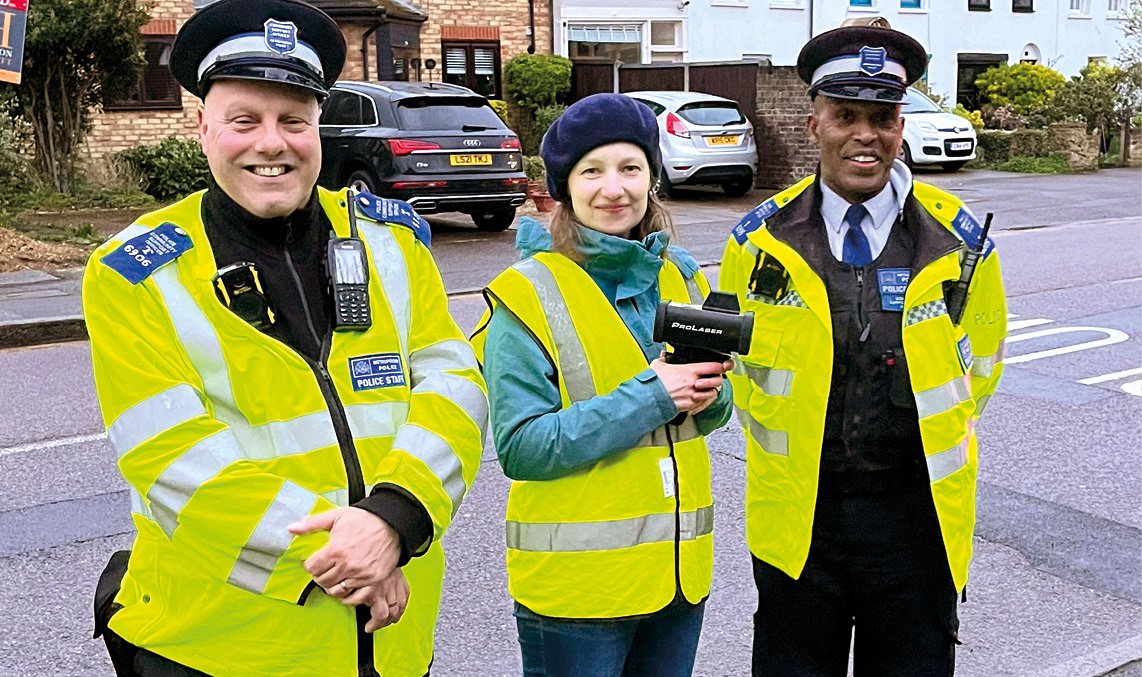
We also promote Community Road Watch schemes, where residents work with the police and use police speed cameras to identify speeding vehicles who are then sent advisory letters. A similar scheme exists called Junior Road Watch, where children get involved. Whilst not a fine, these schemes have been shown to make a difference, in particular, when drivers are lectured by children.
I know speeding and dangerous driving are a concern to many residents, so I encourage everyone to ensure they make their views known through the consultation process. And help us to make our roads safer.
For more information and to take part in the consultation, visit wnstd.com/20mph