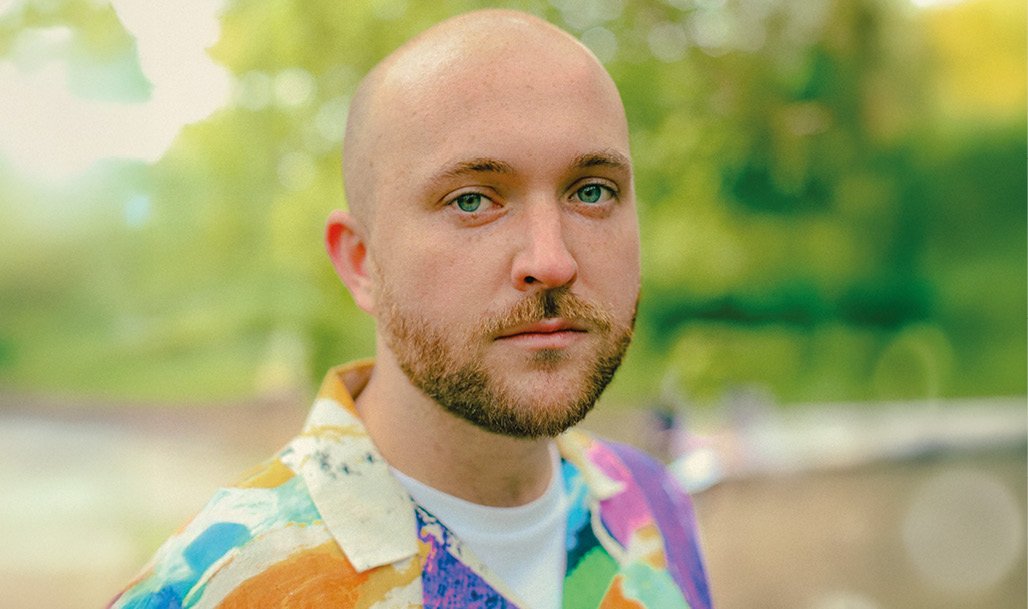
Ahead of an LGBTQ+ History Month event at Wanstead Library, author Jack Parlett reflects on his work on Fire Island in New York and explains why it’s important to learn from the queer icons of the past
As a writer and scholar of queer culture, I spend most months of the year thinking about LGBTQ+ history. That said, February and June tend to be my busiest times.
While the summer months are ushered in annually by Pride Month – and all of the parades and protests that entails – the winter equivalent is February’s LGBTQ+ History Month. It presents an opportunity not only to reflect upon and celebrate untold stories and rediscovered histories, but also to look at the present more clearly. There is a lot to learn from the queer icons of the past, whose lives and loves, victories and losses, impart a simple lesson and a warning: don’t get complacent.
This was a common refrain in the research I did for my first non-fiction book, Fire Island, which looks at the story of the thin strip of land off the Long Island coast, near New York City. Like a more rebellious (and only slightly less moneyed) sibling to the Hamptons, Fire Island has been known since the 1930s as a hip and glamorous destination. The island is famous for its two queer-centric communities, Fire Island Pines and Cherry Grove, which each grew in reputation in the first half of the 20th century. A wide array of queer cultural figures have visited these communities in search of a holiday, a refuge and a place to write and think. WH Auden lived for whole summers on the island with his younger lover in the 1940s, while Patricia Highsmith spent numerous tumultuous weekends in the island’s lesbian bars in the 1950s. James Baldwin wrote some of his beloved novel Another Country from a beach house there, preferring seclusion over the sexual free-for-all of the party scene.
My interest in the island’s queer literary history drew me deeper into exploring the resilience of these communities. The queer people who made a home on Fire Island weathered many storms, both before and after Stonewall and the liberationist era of the 1970s, which was swiftly followed in the 1980s by the devastation of the HIV/AIDS epidemic and the homophobic backlash that ensued. The fragility of social progress, and the ease with which old prejudices could resurface and turn the clock backwards, would be no surprise to the generations who experienced this as a lived reality.
The current political moment is dark and uncertain, and in the face of continued attacks on trans people in this country, and the wider ramifications of President Trump’s second term, the hard-won freedoms of the queer community can seem rather precarious. This LGBTQ+ History Month, it seems more important than ever to reflect on the bravery of those who came before, both the challenges they faced and the flamboyant, unapologetic ways they responded to those challenges. In looking backwards, we can also find new ways forward.
Jack will be in conversation about LGBTQ+ history at Wanstead Library on 11 February from 6.45pm. Visit wnstd.com/parlett