From Winston Churchill to Wanstead Flats, Jane Skelding and other local historians will host an evening of historical insights to mark Local and Community History Month in Aldersbrook
The Friends of St Gabriel’s Local History Night returns on 7 May. This year, we will be taking a look at people who have influenced Aldersbrook and Lake House. My talk will examine two very different figures who brought the area onto the front pages of the national press: Winston Churchill and a progressive St Gabriel’s vicar, Cecil Clarke.
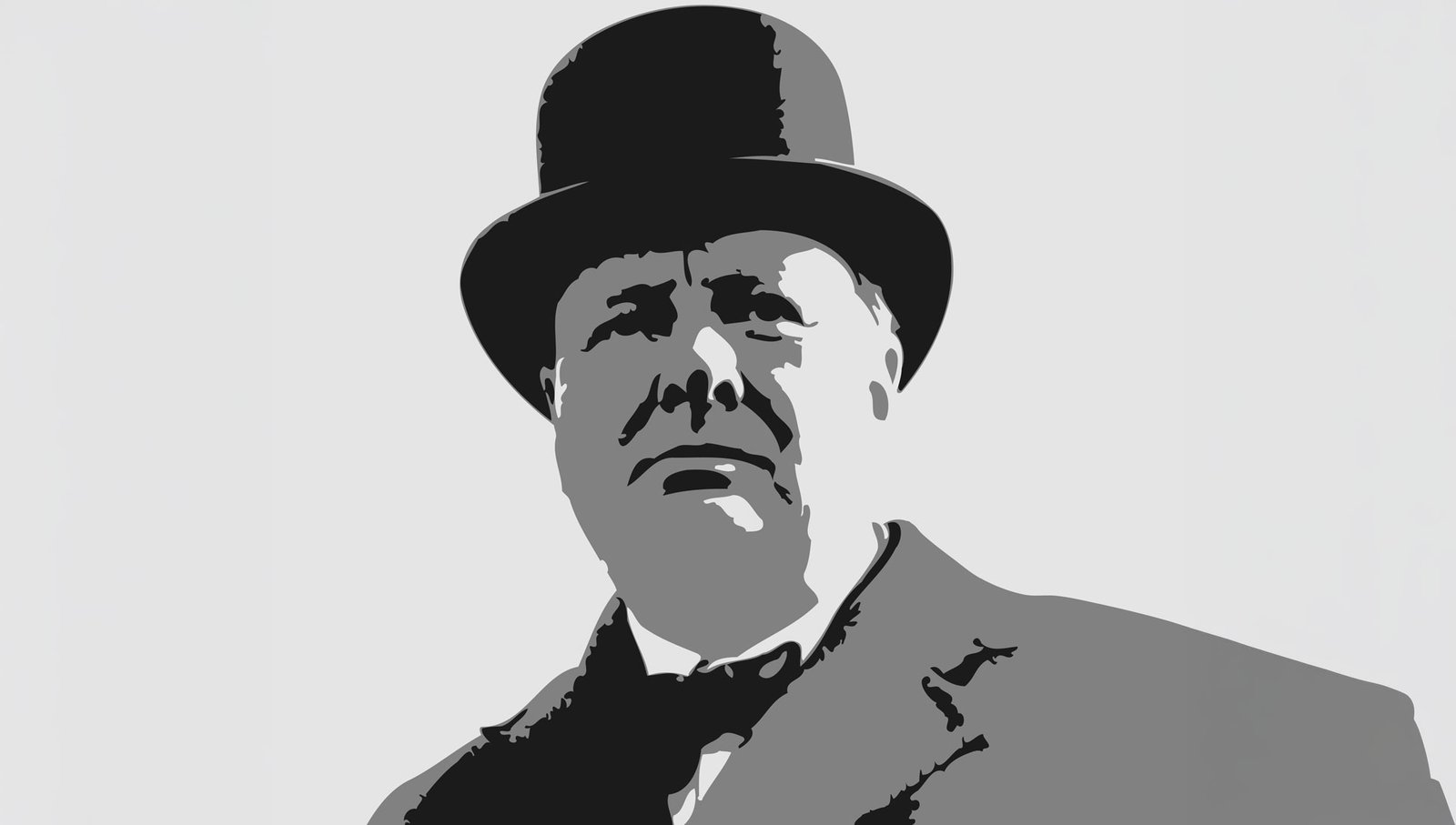
It is well known that Winston Churchill was the MP for the area from 1924 to 1964. This was firstly for the Epping constituency (1924 to 1945), which actually stretched from Epping down into Aldersbrook, much of which was part of Wanstead ward (the rest of the estate falling under East Ham). When Epping was divided into two as part of a boundary review in 1945, the new Woodford parliamentary constituency (later Wanstead and Woodford) encompassed the Borough of Wanstead and Woodford as well as the Urban District of Chigwell, and Churchill stayed MP for the new Woodford seat until his retirement in 1964.
However, even before Churchill became MP, he had close ties with Aldersbrook, the area at the very tip of his constituency, and continued these ties throughout his career. Using newspaper and archival material, the talk will describe Churchill’s key moments in the area, from the burial of his nurse, Mrs Everest, in the City of London Cemetery in 1895, to speeches in the new St Gabriel’s church hall in 1927, to the tree his wife Clemetine Churchill planted in his memory in Wanstead Park in 1965.
Another, less well-known Aldersbrook figure who also caught the attention of the national press in the 1930s was the Reverend Cecil Clarke, vicar at St Gabriel’s between 1936 and 1939. In his brief time, Clarke managed to alienate the congregation with his progressive views, including cancelling Sunday school.
Reverend Cecil Clarke also screened an anti-war film on Armistice Day and was an advocate of communicating with a modern congregation through film. Many of these events found their way into the Daily Mail and other papers. I will be taking a closer look at Reverend Clarke’s ideas and asking whether he was wrong to make so many changes or if he was just ahead of his time.
In contrast to these famous (or infamous) figures, Mark Gorman and Peter Williams will be sharing their recent research into the local unemployed labourers who built many of the features we now take for granted on Wanstead Flats. One hundred years ago, without machinery and often in harsh winter conditions, these workers created much of the landscape we know and take for granted today. “When the City of London took over Epping Forest in 1878, the southern area was in quite a mess… There was also an economic depression, and local worthies formed committees to support unemployed labouring men and women. These Relief Committees organised public works projects and had a big impact on the area,” explained Mark and Peter. Among the work carried out was the creation of Alexandra Lake on the Flats and the enlargement of Heronry Pond in Wanstead Park by hundreds of labourers working only with hand tools. These works – funded by local politicians in East and West Ham – were a different sort of politics to the speeches of Churchill and show how local government had an impact on the environment.
There will also be stalls from local history societies (Ilford, Walthamstow, Leyton and Leytonstone and the East of London Family History Society), and St Gabriel’s Church archivist and church history group will all be on hand to answer your questions. Refreshments will be available.
All proceeds from the event will go to the Friends of St Gabriel’s, who are raising funds in aid of the Community Hall renovations.
Aldersbrook and Lake House Local History Night will take place on 7 May from 6.30pm to 9pm at St Gabriel’s Church in Aldersbrook (tickets: £7; under-18s: free). Visit wnstd.com/7may26