March 2026

News

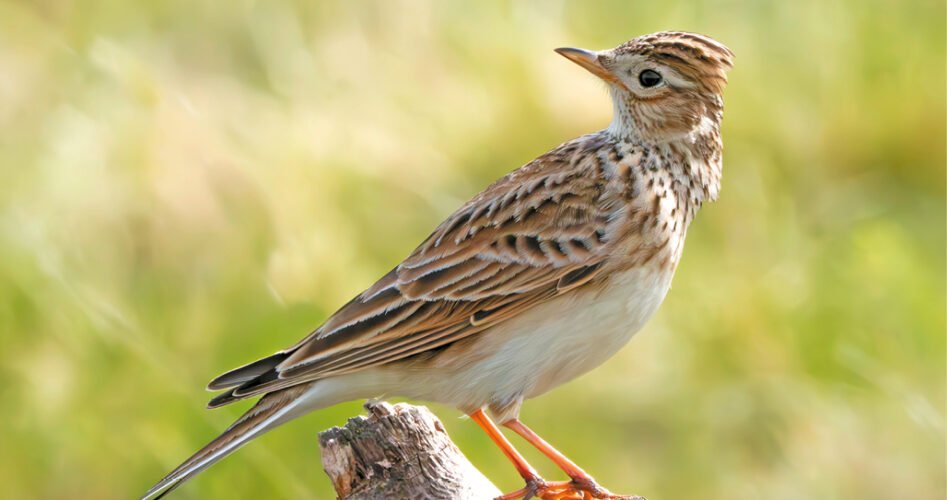
Skylark conservation areas return to Wanstead Flats

WVD-APR-2026v2-sky©Diane Dalli

Epping Forest staff and volunteers from the Wren Wildlife Group have installed a rope fence around two areas of Wanstead Flats in anticipation of the Skylark breeding season.

“These incredible birds are London’s closest returning ground-nesting species. These conservation measures aim to provide the space they need to nest successfully, free from disturbance… please walk around the roped areas to help safeguard these special birds,” said a spokesperson.

The temporary barrier will be taken down in September.

News

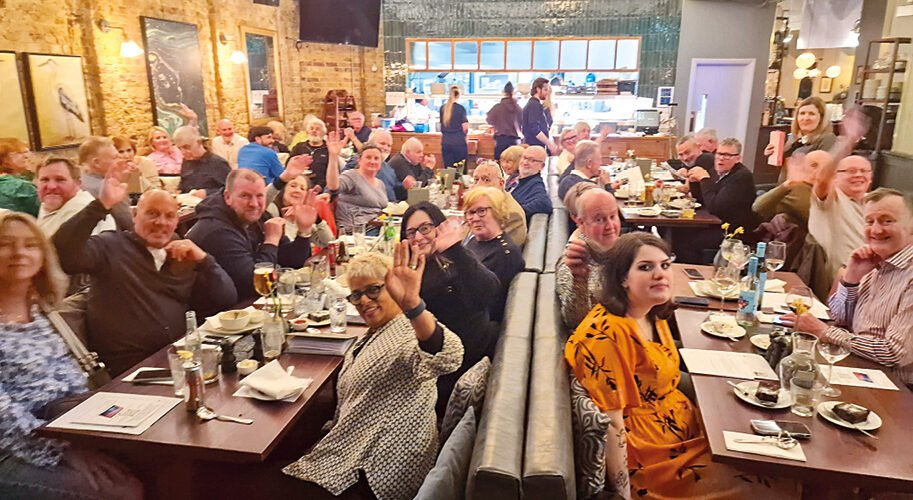
Quiz night raises over £2,000 for Wanstead War Memorial restoration

WVD-APR-2026v2-quiz

A quiz night has raised over £2,000 for the Wanstead War Memorial restoration fund.

“A special thank you to Rev James Gilder for launching the appeal and for his continued support in helping drive this important project forward. It was a brilliant evening and a real reminder of what makes Wanstead special: community spirit, generosity and a shared commitment to honouring those who gave their lives for our country,” said Councillor Paul Canal, who organised the event at The Cuckfield last week.

Visit wnstd.com/wwm

News

Quiz night at Wanstead House

25b5ca3e-b1ae-429d-a261-733c763dca2a

The Wanstead and Woodford Marie Curie fundraising group will be hosting a quiz night at Wanstead House on 25 April.

“Our last event raised over £1,300, so this will be another great opportunity to get together with friends, test your knowledge and support a good cause. We’ll provide the tea, coffee and cake, or you can bring your own refreshments,” said a spokesperson. The quiz will start at 7.30pm (tickets: £12).

Call 07957 760 071

Features

Photo and story

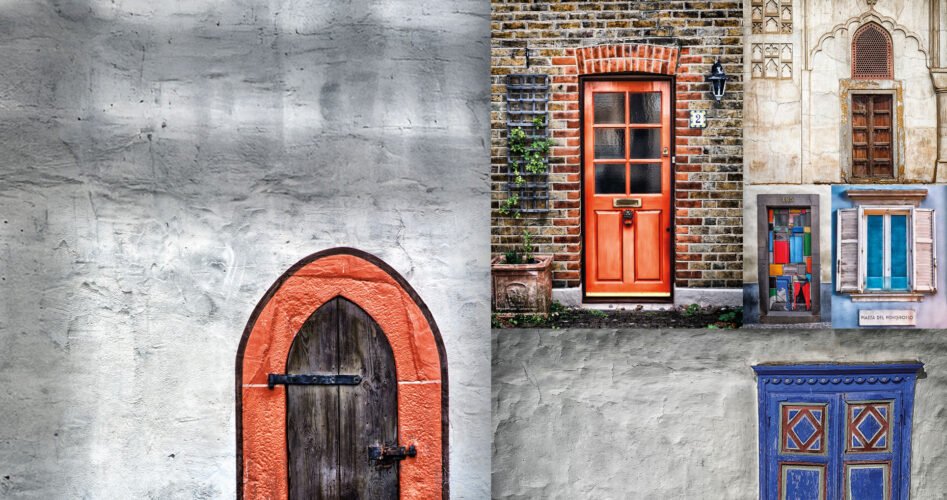
WVD-MAR-2026-4©Arnie Göbel

In the fifth of a series of articles featuring images by Woodford and Wanstead Photographic Society members, Anuraj Theivendram takes a look at Arnie Göbel’s long‑running Windows and Doors of the World project

If you’ve ever wandered through an old town and found yourself pausing at a beautifully weathered doorway or a brightly painted shutter, you’ll understand the heart of Arnie Göbel’s long‑running photographic project. His series, Finestre e Porte del Mondo (Windows and Doors of the World), celebrates the character, craft and quiet poetry found in windows and doors across the globe.

The Italian title, he says, simply felt right, as it reflects the passion and artistry that so often shape these architectural details. The project began almost by accident. During regular trips back to Germany to visit his mother, Arnie would use the quiet afternoons to explore nearby towns and villages. One visit to the Brothers Grimm town of Steinau an der Straße was enough to spark a fascination that has never left him. Since then, he has photographed more than 280 windows and doors from over 60 locations in 18 countries, each one chosen for its charm, texture or sense of place.

Arnie now prints many of these images as small, framed miniatures, as well as larger pieces and floating prints. They have become a distinctive part of his creative output, sitting alongside his landscape work, abstract architecture, wildlife photography and occasional live‑music shoots. He also produces product photography for clients, which shows how far his skills extend beyond personal projects.

Photography has been part of Arnie’s life since childhood. His first camera was a Kodak Box Brownie, followed by an Olympus OM10 that travelled with him from Germany to South Africa and eventually to the UK. After years with Canon DSLRs, he moved to the Olympus OM‑D system in 2017 and has stayed with it ever since.

A long‑standing member of both the Woodford and Wanstead Photographic Society and Art Group Wanstead, Arnie brings a thoughtful eye and deep appreciation for the stories hidden in everyday details. His work reminds us that beauty often sits quietly in front of us, whether in a peeling shutter, a sun‑bleached doorway or a lovingly tended window box, simply waiting to be noticed.

If Arnie’s passion for seeing the world differently sparks something in you, why not come and meet the society behind so much local creativity? Woodford and Wanstead Photographic Society welcomes photographers of every level, from complete beginners to seasoned image‑makers. You will find a friendly group, weekly inspiration and plenty of encouragement to explore your own way of seeing.


To view more of Arnie’s work, visit asg-productions.co.uk

For more information on the Woodford and Wanstead Photographic Society, visit wnstd.com/wwps

News

New unisex toilet block installed on Christ Church Green

news2

New public toilet facilities have been installed on Christ Church Green, with work set to be completed by 20 March.

“This was not a refurbishment of the existing block but a full replacement with modern, unisex integrated WC cubicles… The design removes all communal areas, meaning only individual cubicles can be accessed. This significantly reduces opportunities for crime and the fear of crime, while providing durable, anti‑vandal features,” said a Redbridge Council spokesperson.

Manufactured in Sweden, the new facilities cost £160k to procure and install.

Cllr Kam Rai, Leader of Redbridge Council, said: “Our parks are some of the most valued spaces in the borough, and it’s important that the facilities within them are safe, modern and accessible for everyone. By investing in new, high‑quality public toilets, we’re making sure residents and visitors can enjoy our green spaces with confidence. These upgraded units are designed to reduce vandalism, improve safety and provide a much better experience for all who use them. With nine Green Flag Award‑winning parks across the borough, we’re committed to maintaining the highest standards in our open spaces, and these improvements are an important part of that work.”

Features

Big Rail Story

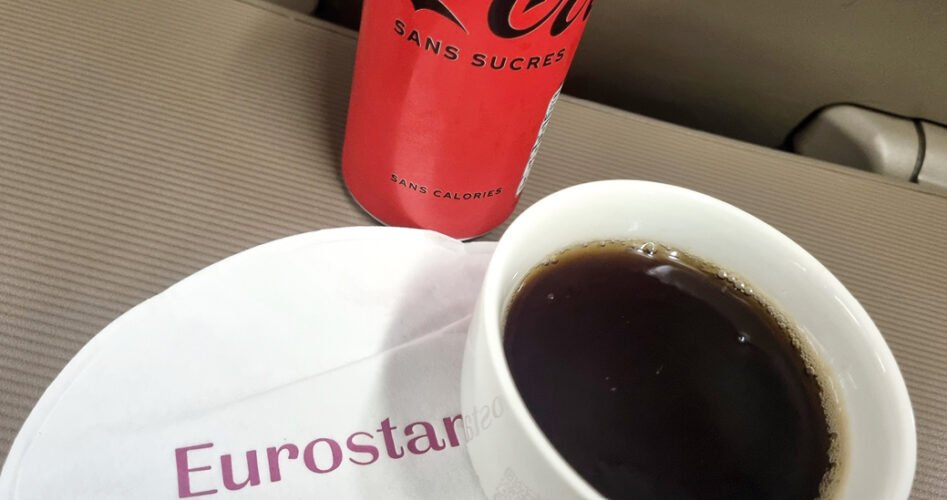
WVD-MAR-2026-rail© Carole Edrich

One writer, one Interrail pass and a wildly over-ambitious, 37-stop journey to test railway accessibility in Europe. Wanstead-based travel writer Carole Edrich presents the third instalment of her Big Rail Story

Eurostar trains have their own smell. Business carriages carry notes of clean plastic and electronics. Zoo class whiffs of whatever the indigents have brought in: usually over-strong perfumes, aftershave, crisps, babies and coffee. Aromas become less ‘used’ and more ‘cared for’ from one price-point to the next, until you reach the carpeted first class (sorry, Eurostar Premier) which, despite leather headrests and an occasional spendthrift passenger, smells of very little at all.

I am in Business (Eurostar Plus if you’re feeling pedantic) and happy to be here because I only recently discovered my first-class interrail pass includes it. I’m less happy about infection risk. Businessmen (or at least men dressed as if for business) are coughing all over. Wouldn’t it be poetic, after taking years to arrange this trip, if I caught something nasty on the first day?

Eurostar trains have their own special noise too. Out of St Pancras: judder judder hushed-scream, judder judder hushed-scream. As speed builds, it turns into judder judder shh-shh, judder judder shh-shh. And then, when we’re at our maximum speed and leaving Essex for the undulating fields of Kent, it goes judder judder wobble judder shhhh, judder judder wobble judder shhhh.

I’m finally on my way. Do I look at the gorgeous, golden dawn-lit scenery? Do I make conversation with the people around me? I do not. I do my best to go to sleep. At least, I try. Trying to cover nose and mouth without seeming to is – strangely – not conducive. Eyes shut and still trying, I hear the people on my table discussing the inconvenience of shutting down Ashford and the resulting pressure on St Pancras. I realise I’ve forgotten my hand sanitiser. And (obviously) my mask.

I’m nearly asleep when Veronique the steward asks if I have any allergies, in preparation for breakfast. It’s only the second time in about 100 trips that this has happened. Is it a new thing or have previous stewards not liked me?

I give up on sleep. Decide on coffee before breakfast, unscrew my lovely, brand new-for-my-rail-trip LARQ UV flask. And learn that it’s possible to overfill. Luckily, the fluid only goes on my jeans and black t-shirt. Unluckily, it’s still hot.

Breakfast, such as it is these days, arrives. Then we’re out of the tunnel to huge horizons, long rolling fields, quaint French-looking farms and a baby blue sky with gilt-edged cotton-wool clouds.

Two Eurostar trains (I know they’re Eurostar because they’re labelled; trainspotting, innit) pass the other way. Then more farms, tiny parcels of land, picture-perfect compact villages, each with requisite church, orchard, and stands of oak and spruce. The train starts slowing for Lille.


For relevant links to the places, to read more of Carole’s work or to listen to her podcast, visit wnstd.com/edrich

Features

Stitches in time

WVD-MAR-2026-kn3

In the first of a series of articles, Susan Allison reflects on the community project which created nearly 50 kneelers for Christ Church, each with a story to tell and each recording a snapshot of present-day Wanstead

This community project got underway at the Wanstead Festival in September 2024, when stitching began on the first kneeler. Over the following 12 months, another 40-plus kneelers were stitched by numerous members of the community, celebrating the diversity of people and experiences in our village.

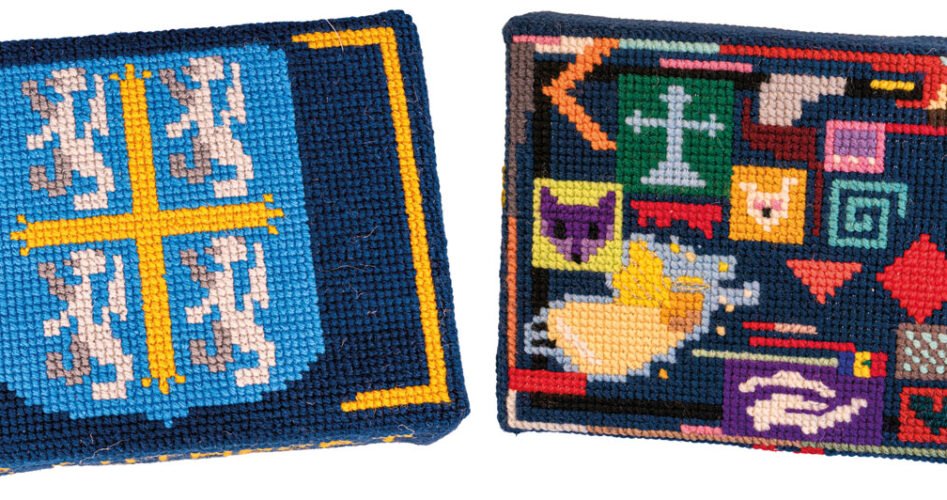
Every kneeler (or hassock) tells a story. Working with a uniform deep blue background, kneelers were either purchased directly from stock, modified or uniquely designed to mark a person, business or organisation in Wanstead. Some people chose to purchase and work on their own kneeler; some sponsored a kneeler for someone else to work on and some were purchased
through a generous bequest from John Sunley, a former member of Christ Church’s congregation.

The kneelers were presented to the church in October 2025, along with a guidebook that is available to purchase (£5; in aid of the church tower restoration fund), but the project is not over yet. We are now preparing an exhibition of the kneelers and their stories, which will be on show at this year’s Wanstead Festival. All project documents will then be collated and archived. This project demonstrates Christ Church’s community engagement, a vital component in securing funding for the refurbishment of the church and the restoration of the church tower.

St Cuthbert
Sewn by: Susan Allison
Dedicated to:
James and Kitty Todd

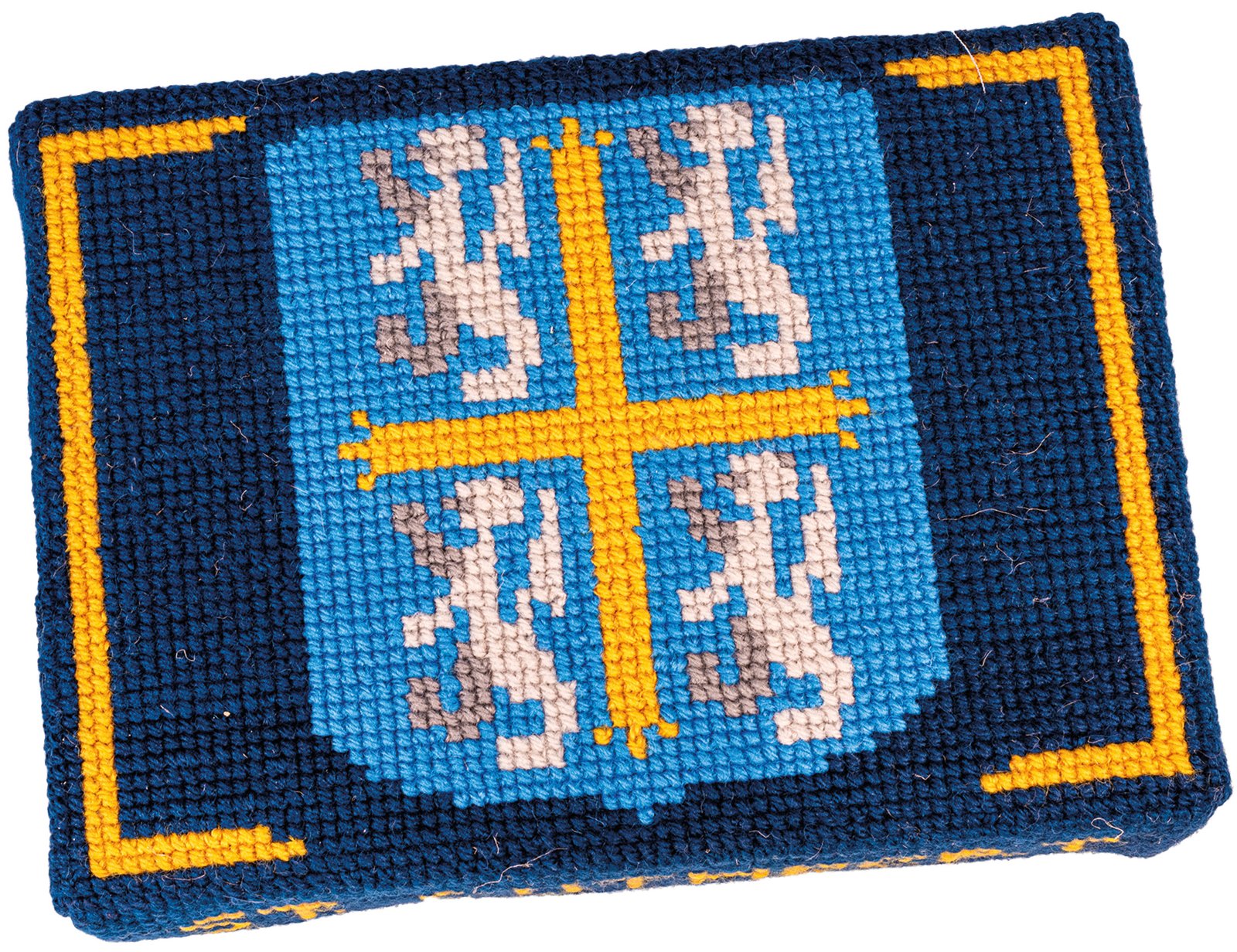
The whole ‘Kneelers for Christ Church’ project is the result of an experience Susan Allison had with her parents, James and Kitty Todd, whilst in a previous parish in Surrey. Kitty and a group of other women joined together to make large patchwork wall-hangings and kneelers for their church. James was also actively involved in the design and colour-matching of the hangings and the kneelers. However, other than sewing their initials on the side of the kneelers, there was no record made of who the initials referred to, who had been involved, what the design referenced and why, and Susan realised she was now the only person alive who held that information. Which is why, when she overheard the rector talking about new kneelers for Christ Church, she spoke up and said it was important the information about the crafters be recorded as part of Christ Church’s legacy. The design of this kneeler is Saint Cuthbert, the patron saint of Durham, which is where James and Kitty were born and married.


Wanstead Community Kneeler
Sewn by: the community
Dedicated to:
Pat Beckwith and Richelle Speers

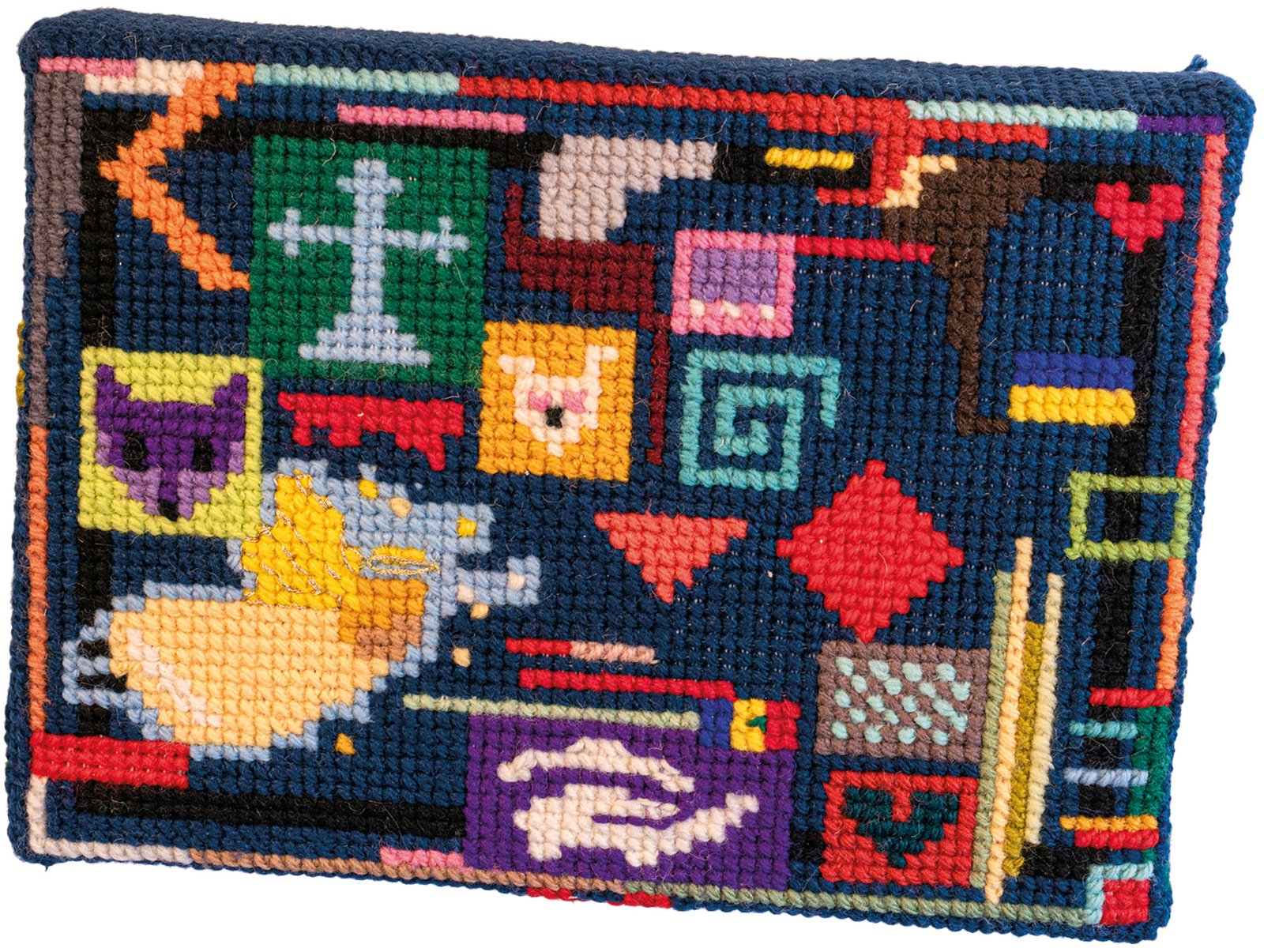
This is dedicated to two employees of the company who supplied the kneelers, Pat Beckwith – who, until her retirement, gave wonderful guidance and support at the start of the kneeler project – and Richelle Speers – who had the misfortune of having to pick up where Pat left off and steered us through to the end of our stitching. The design of this kneeler is free-flow. It started at the Wanstead Festival in September 2024 with anyone, especially children, coming to make a few stitches wherever they liked, in whatever colour they wished and recording their details for the future. The kneeler then toured various local venues for the young and old and all in between to produce an amazing, vibrantly unique design. The oldest stitcher was 94; the youngest (with help) was six months old.


For more information on the project, visit wnstd.com/kneelers

Features

Stream team

WVD-MAR-2026-roding

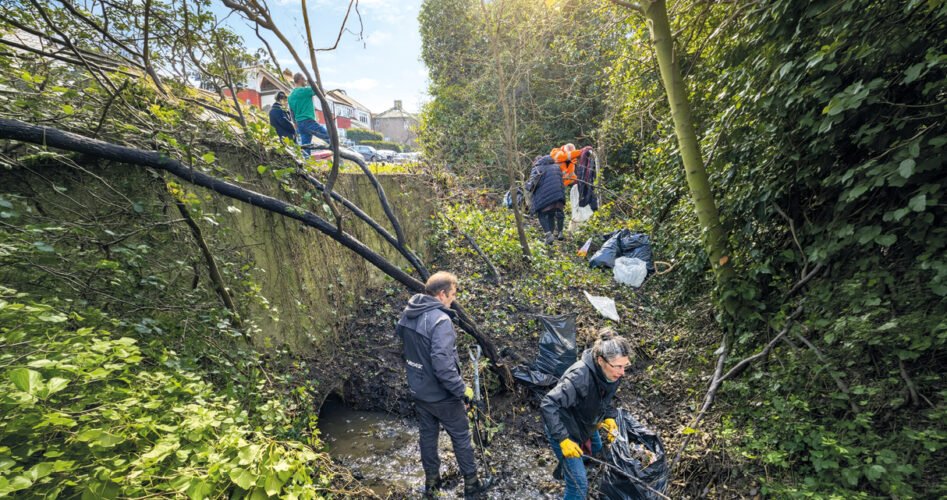
The Friends of the River Roding’s Wanstead and Woodford local group are on a mission to restore the river and its tributaries, one bag of rubbish and one forgotten stream at a time. Derek Seume reports

In late winter and early spring, river guardians such as the Friends of the River Roding can really get stuck into clearing up our blue spaces. Over the last few weeks, we have been hard at work, taking advantage of the seasonally reduced undergrowth before the nesting season begins.

In the Woodford and Wanstead area, we have been litter picking like never before, in particular, targeting the area around Charlie Brown’s Roundabout, which suffers from rubbish being thrown out of car windows from the flyovers overhead. This either gradually degrades the soil or blows around until it finally makes its way into the Roding, down to the Thames and ultimately out into our oceans. Our lovely little corner of the world here in northeast London is but a tiny part of a far wider ecology.

In our first four litter-picking sessions of 2026, we extracted some 114 bags of rubbish, but we are literally only scraping the surface. It will take several more sessions to clear the area even superficially, but sadly, the reality is there are no doubt several further layers of rubbish beneath the soil in places. Realistically, we can’t get to all of that – and indeed we must tread carefully so as not to disturb the species that have made their homes among our mess – but at the very least, we are striving to improve the aesthetics of the local area. If the eyesore is allowed to fester, so too does the impression that it’s acceptable to treat our green and blue spaces as one big rubbish dump. Litter begets litter.

Further south, between the river and Roding Lane South, we recently discovered a forgotten stream, hidden deep within woodland. Its source is unknown (we presume there is a spring somewhere that has been covered by a road or housing), but it meanders a short way through the woods towards the main river itself.

Our volunteers cleared the choked stream of rubbish and silt, dug a couple of pools to improve its flow dynamics and cut back brambles and ivy to allow more light into the water. Once we were satisfied we had brought the tributary back to life, we continued picking up litter around its vicinity, finishing the day with another 80 bags of rubbish. The stream – which we’ve unimaginatively named Redbridge Stream for want of an official title – already looks much healthier, but we will revisit it over the coming months and years to see how it develops and supports native species to thrive.

If you feel inspired to get involved and help us in our mission to restore the River Roding and its tributaries, please get in touch for information on future volunteer days and other ways you can contribute.


For more information on the Friends of the River Roding, visit wnstd.com/fotrr or email river.roding@gmail.com

Features

A local star

WVD-MAR-2026-fisher

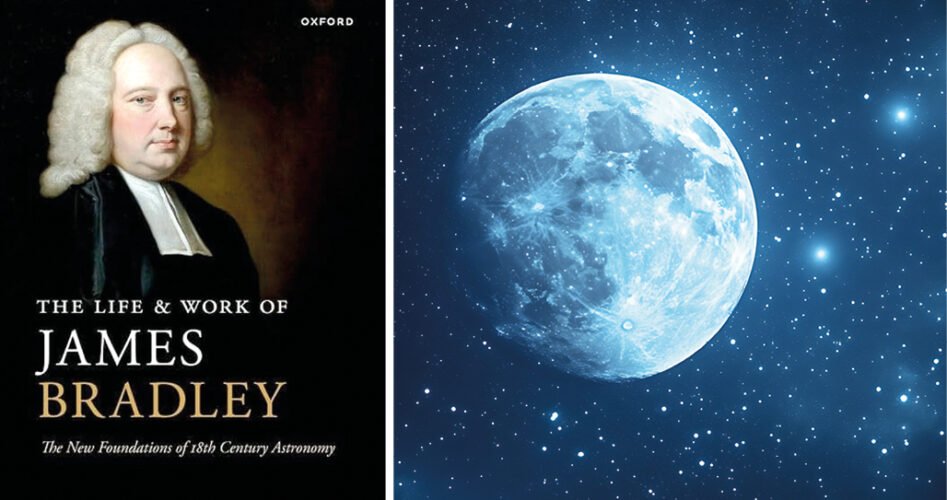
Wanstead should be proud of its connection with the Astronomer Royal James Bradley, says Dr John Fisher in the first of a series of articles celebrating a man admired by many

Three centuries ago, Wanstead was a small township, where the wealthy and the well-to-do lived to escape the noise and diseases prevalent in the City of London. Amongst the inhabitants were the rector James Pound (1669–1724) and his nephew James Bradley (1692–1762). Both were astronomers of note, close friends of Sir Isaac Newton (1642–1727) and Edmond Halley (1656–1742).

Bradley was elected as the Savilian Professor of Astronomy at Oxford in 1721 and appointed as the third Astronomer Royal by Sir Robert Walpole in 1742. Newton referred to Bradley as “the finest astronomer in Europe,” being the first to discern that the three innermost of Jupiter’s large moons were in gravitational resonance with each other, constantly repeating their mutual perturbations in accord with Newton’s universal law of gravitation.

From August 1727 to December 1728, Bradley observed the annual motions of 70 circumpolar stars from Wanstead, discovering the aberration of starlight, the earliest proof of the motion of the Earth in orbit around the Sun, first proposed by Copernicus and supported by Galileo, thus vindicating both. Continuing his observations to 1747, Bradley also discovered the nutation of the Earth’s axis, a wobble induced by the action of the moon on the Earth’s equatorial bulge.

As Astronomer Royal, he completely reformed the Royal Greenwich Observatory, root and branch. He acquired the finest astronomical instruments in the world and built the New Observatory, the building through which the Prime Meridian passes. Here, Bradley, together with assistants trained to the same high standards as himself, produced precise and accurate observations of every notable star visible from Greenwich.

James Bradley was of modest origins, the third son of an obscure steward on a Cotswolds estate. He became the most celebrated astronomer in Europe. He was reader in Experimental Philosophy (Physics) at Oxford. He was admired all over Europe, being made a member of the Russian Imperial Academy of Sciences, of the Academie Royale des Sciences in Paris, and remarkably, that most Catholic of institutions, the Institute of Bologna, revealing the motion of the Earth had been accepted by the Church of Rome.

He was a kind, gentle man, much admired at Oxford, where he was given an Oration. He was a brilliant teacher of mathematics and loved by many in the university. He had an ability to explain difficult subjects in plain language. Bradley was admired by kings and statesmen all over Europe. He is buried in Minchinhampton in Gloucestershire, and memorialised by a headstone in the churchyard of St Mary the Virgin, Wanstead.


For more information on Dr Fisher’s book, The Life and Work of James Bradley, visit wnstd.com/fisher

Features

Guided by design

WVD-MAR-2026-dog

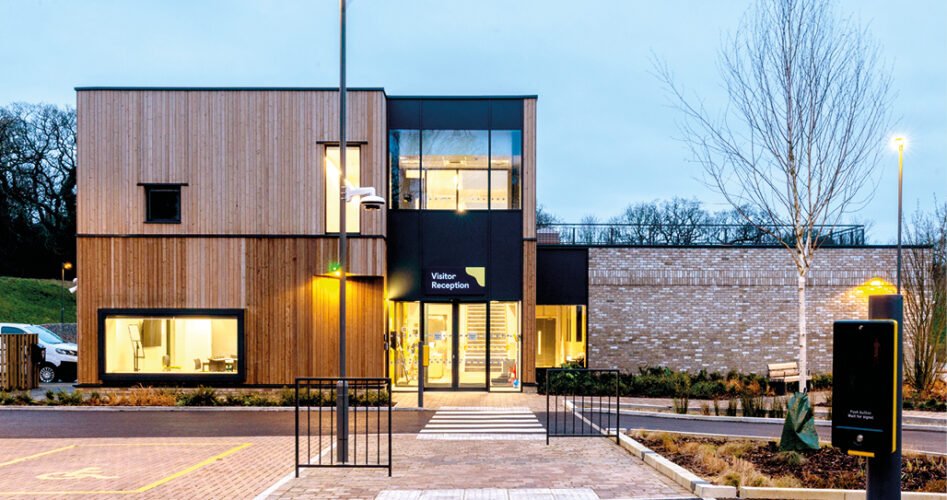
The Guide Dogs’ recently refurbished centre in Redbridge has enjoyed architectural award recognition. Local volunteer coordinator Phoebe Coles reports on a building that champions sustainability

The Guide Dogs South East Regional Centre in Redbridge is celebrating an exciting achievement this year, having been shortlisted for the RIBAJ MacEwen Award 2026, a national recognition that celebrates architecture designed for the common good. The award highlights buildings that deliver meaningful social benefit, and the Redbridge site has stood out for its thoughtful design, commitment to accessibility and inclusivity, and its focus on improving the lives of people with sight loss and the dogs who support them.

Designed by Kay Elliott Architects, the Redbridge centre is located in Woodford Bridge and is Guide Dogs’ first net‑zero building, demonstrating the charity’s strong commitment to sustainability and responsible design. As a working hub, it can accommodate up to 75 dogs, offering state‑of‑the‑art facilities that prioritise dog welfare, support high‑quality training and meet the needs of both staff and volunteers. Nestled within a greenbelt landscape, the site also enhances local biodiversity by increasing plant and tree varieties – an important feature valued by the award panel.

This modern centre is vital to the charity’s work in the region. The South East Regional Centre trains nearly 250 guide dogs every year and supports over 600 volunteer puppy raisers, making it a cornerstone of services across Essex and neighbouring counties. Its indoor and outdoor training areas, community spaces and flexible facilities enable teams to deliver essential skills, information and support services to people with sight loss.

Being recognised on the MacEwen Award shortlist reflects not only the building’s architectural merit but also the profound social impact Guide Dogs continues to have in our community.

With the centre growing in activity and impact, Guide Dogs is calling on local residents to consider becoming a volunteer fosterer. Fosterers provide temporary homes for dogs in training, offering love, stability and day‑to‑day care, while the dogs learn essential skills that will one day support a person with sight loss. It’s a rewarding role that directly contributes to the life‑changing work happening at Redbridge. Information on how to get involved can be found through Guide Dogs’ website, where opportunities such as fostering, puppy raising and other roles are regularly updated.

As Guide Dogs in Redbridge gains national recognition, there’s never been a better moment for local residents to support this incredible charity. By volunteering, you become part of a mission that brings independence, mobility and confidence to people living with sight loss across our region.


For more information on Guide Dogs, volunteer fostering and other ways to help, visit wnstd.com/gdvolunteer

Features

Freedom?

WVD-MAR-2026-fre

Public debate over restricting the Freedom Pass has sparked intergenerational tensions, but focusing on cost misses the bigger questions, says Councillor Paul Donovan

There has been much public debate about the suggestion that there should be restrictions placed on the Older Person’s Freedom Pass. A public spat saw TV presenter Kirsty Allsop taking issue with author Michael Rosen over whether someone as wealthy as him needed free travel.

There are two forms of free travel for the over-60s. The Oyster 60-plus card is available once someone reaches 60. It gives free travel on buses and trains and is funded by TFL. This card runs until state retirement age (currently 66), when an Older Person’s Freedom Pass takes over.

The Freedom Pass is funded by London Councils – which represents London’s 32 boroughs and the City of London – covering trains in London and buses across the country. It was this card that London Councils were looking to review.

That review began in January, quickly drawing a 60,000 signature petition opposed to change. The review was prefaced on rising costs that saw the Freedom Passes costing £333m last year and predicted to rise to £372m for 2026/27.

A rancorous debate quickly developed into an attack on the elderly. BBC London didn’t waste the opportunity to contextualise the story in terms of intergenerational conflict. This involved getting younger people asking why the elderly are getting such a benefit while they have to pay full rate for increasingly expensive public transport.

Leaving aside that elderly people have earned such rights by a lifetime of work and service, the bigger question surely is why cannot the younger group also have free travel. Indeed, everyone should be eligible. This direction of travel would couch the argument in terms of reducing inequality and improving the environment rather than stoking intergenerational resentments. In a country as rich as the UK, such things should be possible.

Cheap or free travel really is a no-brainer. It enables people to get out to visit loved ones as well as attending and spending at a variety of businesses across the capital.

There are also pluses for people’s mental and physical health that are not always easily quantifiable in the land of bottom-line economics. Add in the fact train and bus passenger numbers are still below pre-Covid levels, why would anyone want to restrict incentives to get people using public transport?

Fortunately, it would seem plans to cut the Freedom Pass have receded. However, the argument may return in an effort to chip away at another hard-earned benefit on the altar of austerity. Everyone should be prepared.


For more information on the Freedom Pass, visit freedompass.org