This month’s Remembrance Sunday service in Wanstead will be the most inclusive it has ever been. This is a welcome milestone, says Paul Kaufman, chair of the East London Humanists
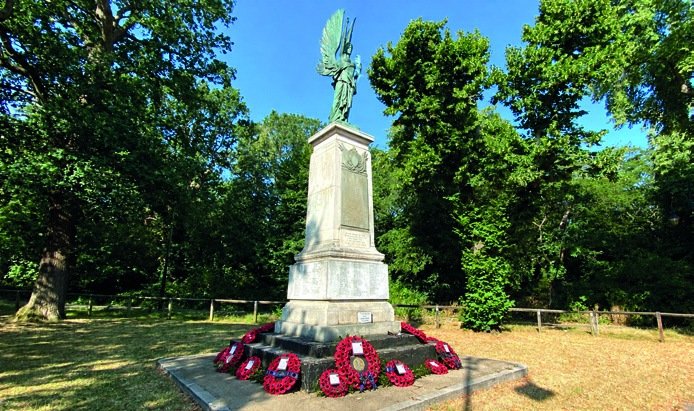
The Wanstead War Memorial was unveiled in April 1922. It is worth reflecting on why local war memorials were erected. World War One was devastating. The Wanstead memorial records 199 names of local lives lost from Wanstead Urban District alone. Subsequent research shows the total was nearer 320. The memorial wording doesn’t touch on the many more who survived but bore dreadful mental or physical scars. The then official policy of not repatriating the dead made local memorials the focus of grief and remembrance. Local relatives of victims attend the Wanstead service to this day.
Remembrance services hold a unique place in this country’s DNA and in the life of our local communities. They have been held each year without fail for over 100 years in just about every corner of the land. This is thanks to the hard work and dedication of those who voluntarily put time and effort into ensuring this tradition continues. Local resident and former councillor Colin Cronin shouldered the responsibility in Wanstead for many years. This year, Colin handed over responsibility to James Gilder, Rector of St Mary’s with Christ Church.
The last 100 years have seen many changes in our culture and communities. It is important that this is reflected in services. The Royal British Legion website points out the actual Act of Remembrance is brief and non-religious. It then says that, while the accompanying service can be assembled freely to make it relevant to a community, “ceremonies should be inclusive of all members of the community.”
Some advance was achieved in 2025. The Wanstead service, which remains largely Anglican in character, included spoken contributions from the Catholic Church, the United Reformed Church and Quakers. I was honoured to be the first member of the non-religious community to take part. Several hundred people attended the service. The response was overwhelmingly positive. This year, around 10 different faiths and beliefs will be represented. This is a far better reflection of local diversity. For example, there will be representatives for the first time from the local Sikh, Hindu and Muslim communities. The role the massive Indian army played fighting for the allies has too often been overlooked.
Remembrance Sunday is a time to remember all the victims war brings in its wake. It also reminds us of the terrible consequences if we can’t solve our differences peacefully, and the importance of striving for peace and reconciliation. Remembrance Sunday is possibly the largest public civic event in Wanstead. In a time of much division, it is an opportunity like no other to bring all our community together.
Wanstead’s Remembrance service will take place at the Wanstead War Memorial on the High Street on 8 November from 12.30pm (arrive by 12.15pm).