
October 2026

Features

Late for school

WVD-OCT-2026

The much-delayed redevelopment of Wanstead High School and Wanstead Leisure Centre prompted local parents, including Georgina Brewis and Fiona Law, to demand answers from the council

A year ago, we listed Wanstead High School as the first choice for our then Year 6 children on the Redbridge School admissions portal. We were looking forward to them being among the first students to attend lessons in Wanstead’s new classroom block with its specialist art studios, or to queue for lunch in its newly-opened, purpose-built dining space. We also felt sure they would benefit hugely from a new state-of-the-art, 25-metre swimming pool at the leisure centre.

This is what Redbridge Council had been confidently promising for years, with assurances issued in November 2024 that, despite some delays, the project was still ‘full steam ahead’ and the build would be completed by the end of 2025. Unfortunately, communications from Wanstead High School during 2025 showed the completion date was being pushed further and further back.

The news that the main contractor, Jerram Falkus, had entered administration in February 2026 was devastating. We learned over the summer there was in fact no end-date in sight for the completion of the school part of the project, let alone the promised leisure facilities. This pushed us, and other parents, to draft a petition urging Redbridge Council to prioritise the project, which prompted the council to publish the first update since February. This statement revealed the works abandoned by Jerram Falkus at the start of the year ‘fell short’ of expected standards, requiring a full review of the site. Our petition received 2,154 verified signatures, making it one of only a handful to ever meet the target needed to trigger a debate at a full council meeting. This took place on 24 September with a large delegation of parents present. We presented the petition, asking the council to:

  • Ensure the project is made the number one building work priority in Redbridge.
  • Publish a timeline with milestones for the school part of the build.
  • Set out when and how it intends to appoint a contractor for the leisure centre stage.
  • Establish meaningful engagement through a public meeting and regular updates.

Council Leader Kam Rai did confirm the project was Redbridge’s “number one priority” and announced the new contractor for the school part of the build would ensure work was completed before September 2027. As parents, we know first-hand the negative effect of the construction works on day-to-day life at the school and the knock-on effects to teachers’ morale. We do not see this as a party-political issue, and we are grateful for the support we received at the meeting from councillors across the political spectrum. We now ask for the support of the whole community to keep up the pressure to ensure this decade of delays ends as soon as possible.


To read the council’s latest statement on the school, visit wnstd.com/whsupdate

Features

Brewed for you

WVD-OCT-2026-beer

Wanstead Beer Festival returns this month with more than 50 beers and ciders, a specially brewed braggot, new commemorative glass and support for local causes. Paul Donovan reports

A special festival beer, more beer and cider choice, plus a classic new glass, are among the highlights of the fourth Wanstead Beer Festival (WBF) at Christ Church on 10 October.

Bigger and better than ever. There will be more than 50 beers and ciders this time, drawn from across the country. Non-beer drinkers won’t be left out, with gin, rum, wine, prosecco and soft drinks all available. So, hopefully, all tastes will be catered for. There is also some great food on offer: Greek and burgers.

This year, there will also be a special festival beer, brewed by Sambrook’s brewery. The beer, Wanstead Heron, is a braggot, with a 6.3% strength. Sambrook’s head brewer, John Hatch, explains: “Unlike mead, braggot is beer made with both malted barley and honey. Records of fermenting honey go back thousands of years and, before the days of processed and cultivated sugar, honey would have been the easiest way to boost the gravity of beer to create a stronger beverage without the complication of doing double mashes. Honey also adds a distinct flavour and aroma.”

The George & Dragon will be running a special promotion of the Wanstead Heron. Launch night will be 5 October, when this special beer will be half price (limited stocks).

Among other beers to look out for at the festival are the ever-popular Pride of Prague – another chance for West Ham fans to reminisce about when the club won the European Conference League in 2023. Also, returning popular beers include Cromwell bitter, Walrus of Love and Cowcatcher. There will be a lot more cider this year, with Walthamstow-based Real Al providing some new brands. These will be in addition to the likes of Farmer Jim’s Rhubarb Bob and Perry.

Funds raised will go to selected local causes. This year, these are the River Roding Trust, Grow Hope and the Wanstead War Memorial Restoration Fund.

The WBF has been well supplied by many breweries, including Brentwood, Mighty Oak, East London, Sambrook’s, Pretty Decent, Pillars and Signature breweries. Local businesses have once again heavily supported the event. Not to forget the commemorative glass, which comes as part of the entry fee. These beautifully designed glasses are proving popular, with WBF loyalists able to boast a cupboard of three glasses. A full set will require you to come on 10 October.

But success only comes if people turn up. Last year, more than 900 attended. It is hoped this year to go beyond that number. There may be some tickets on the door, but that depends on whether we sell out before the day. Cheers.


The Wanstead Beer Festival will take place in the halls of Christ Church on 10 October from 1pm to 11pm. To book tickets (£10), visit wnstd.com/beer

Features

Community & Culture

WVD-OCT-2026-bhm

This month, St Gabriel’s Church in Aldersbrook will host a Black History Month celebration, open to all and bringing the community together for an evening of Afro-Caribbean culture. Felicity Brewis reports

Back in 2020, a number of churchgoers at St Gabriel’s in Aldersbrook set up an informal and non-political Black Lives Matter (BLM) group with the intention of bringing people together and affirming community diversity. Since that time, members of the group have continued to exchange news and information affecting the black community, both locally and nationally, and small groups have enjoyed visits to local theatre and a museum.

This autumn, the BLM volunteers are organising an evening of Afro-Caribbean culture with insights into community history via storytelling and poetry, opportunities to try African drumming (see page 10), delicious food and drink and dancing.

This is not just an event for churchgoers but a lively social occasion to mix with and learn more about our Afro-Caribbean neighbours and the major contributions they have made to British life.

The Black History Month movement started in the USA as far back as 1926 with the writer and historian Carter G Woodson announcing a ‘Negro History Week’ to commemorate the lives of influential black men and women. By 1976 (America’s bicentenary year), it was formalised and renamed Black History Month, which has since been celebrated in the States every year in February.

In the United Kingdom, Black History Month has been observed since 1987, the 150th anniversary of the abolition of slavery in the Caribbean. It was conceived by Akkyaaba Addai-Sebo, who came to the UK from Ghana in 1984 and whose thinking aligned with the anti-racist agenda of the former Greater London Council. The idea was pioneered by its Principal Race Relations Adviser, Ansel Wong, and other progressive London councillors. A series of lectures, music and cultural events followed (with many international speakers and participants) to inform the public of the importance of historic black British figures and their contribution to our national life. The idea spread and was taken up in other UK cities until it became a nationally recognised celebration. The month of October was chosen because, historically, it had been the time of year for African leaders to gather together to discuss important issues. And, being the start of the new academic year in Britain, it was hoped it would engage schoolchildren and foster pride in their heritage for black students.

The national theme of this year’s Black History Month is ‘Honouring Our Communities,’ which means not just people from the past but today’s nurses, doctors, educators, public officials, sports professionals, entertainers and musicians – people from all walks of life and from the many diverse black communities of the African diaspora.


St Gabriel’s Black History Celebration will take place on 17 October from 7pm (tickets: £20). Visit wnstd.com/17oct26

Features

Rebel Reading

WVD-OCT-20260redb

Geraldine Roberts’ latest book uncovers the remarkable lives of Charles and Mary Bagot, tracing diplomacy, politics and personal fortunes across Britain, America, Russia and Canada. Review by Paul Donovan

This fascinating book traces the lives of Charles and Mary Bagot through turbulent times in America, Russia and latterly Canada during the first half of the 19th century.

Local writer Geraldine Roberts’ second book follows on from The Angel and the Cad about Wanstead House and the antics of the Duke of Wellington’s nephew, William Pole Tylney Long Wellesley. In that case, Long Wellesley managed to destroy his wife Catherine’s life. Interestingly, it became the first case where a man was denied custody of his children (that duty going to the Duke of Wellington after Catherine’s death).

Roberts deploys a similar forensic style of approach in this latest book, which picks up with Long Wellesley’s sister Mary, who marries Charles Bagot. Bagot is determined to serve in the diplomatic sector. He becomes great friends with the future Foreign Secretary and Prime Minister George Canning, though also shares his rise and fall in fortunes.

Politically, Bagot is a Tory, at a time when the Whigs are seen as the coming liberating force. However, he excels as a diplomat. First, being sent as British ambassador to Washington in 1815. The British had just burned Washington in the war of 1812–1815. Post war, things are tense, but the Bagots charm their way around the diplomatic circuit. Important treaties are agreed, bringing peace. Bagot plays a key role in one of the few positive actions of the British Empire, helping secure liberty for some of the slaves who joined the British side during the three-year war.

Roberts provides a fascinating insight into an interesting period of history. Diplomacy, in a modern sense, is in its infancy. The period covered bridges the end of the Georgians and the beginning of Victoria’s reign (Queen Victoria is not a Bagot fan). The change in reigns is described in terms of a decline of the “vulgar ostentation” of the Georgian era. Whilst at times the author seems something of a fan of the Bagots, aka Hilary Mantel and Thomas Cromwell, she in the main keeps an objective observer’s pose. In many ways, she is setting the record straight, recalling how the online biography at the National Gallery is less than complimentary, failing to mention his role as an abolitionist for slavery. Bagot seems to have been more appreciated in the annals of the US and Canada.

Much of the book focuses on Mary, a vivacious, intelligent person, who does all she can within the many confines placed on women at the time. There are some other interesting social history titbits in the account, such as the wealthy having access to a form of condom in these times. Not that that seemed to affect the Bagots, who had 10 children. Overall, a very interesting read, especially for those interested in the history of this period.


The Rebel and the Peacemaker by Geraldine Roberts is priced £18. To order, visit wnstd.com/tratp

Features

Mending Matters

WVD-OCT-2026-mend

Wanstead Repair Café volunteers will mark International Repair Day with a special taster session at Wanstead Library, encouraging residents to keep everyday items out of the bin. Kathy Taylor reports

How many broken gadgets, clothes or items of jewellery are sitting in a drawer at home, waiting to be fixed? For many of us, the answer is probably more than we would like to admit.

When something stops working, it is often easier to replace it than repair it. But throwing things away has a cost; for our pockets and for the environment. Many electrical items that are discarded are not necessarily at the end of their useful life. Research highlighted by The Restart Project found that only 12.4% of electrical devices thrown away were genuinely beyond repair.

Repairing an item can save money, reduce waste and extend the life of products we already own. Just as importantly, community repair events give people the opportunity to share practical skills and learn from one another. That is why International Repair Day 2026, on Saturday 17 October, is a great opportunity to think twice before putting a broken item in the bin. The day celebrates the simple idea that repairing things is good for people, communities and the planet. It also helps to raise awareness of the growing ‘right to repair’ movement, which is encouraging manufacturers to make products easier to fix and keep in use.

Here in Wanstead, local volunteers will be marking Repair Day with a special repair taster session at Wanstead Library, among the books, from 2pm to 4pm on 17 October. The session will focus on small electrical items, sewing and jewellery repairs, offering residents the chance to bring along suitable items for repair help, advice and guidance. It is a small taste of what community repair is all about: rather than simply throwing something away, stop and ask whether it can be fixed.

And if you cannot get your item repaired then, there will be another opportunity soon. The next full Wanstead Repair Café takes place on Saturday 14 November, from 10.30am to 1pm at Christ Church Hall.

Thinking of trying a repair yourself by watching YouTube videos? Not every repair is suitable for doing at home. Electrical equipment, particularly anything involving mains electricity or lithium-ion batteries, can be dangerous if handled incorrectly. The advice from experienced repair groups is simple: if you are unsure, ask someone with the right skills rather than taking risks.

Repair is about more than fixing a toaster, mending a jumper or restoring a broken piece of jewellery. It is about changing our attitude to the things we own. By repairing, reusing and sharing skills, we can keep useful items out of the waste stream while strengthening connections within our local community.

So, before you replace that broken item, why not ask: “Could it be repaired?” This October, Wanstead has the chance to find out.


For more information on local Repair Cafés, visit wnstd.com/repaircafes

Features

Wanstead’s Dark Side

WVD-OCT-2026-m

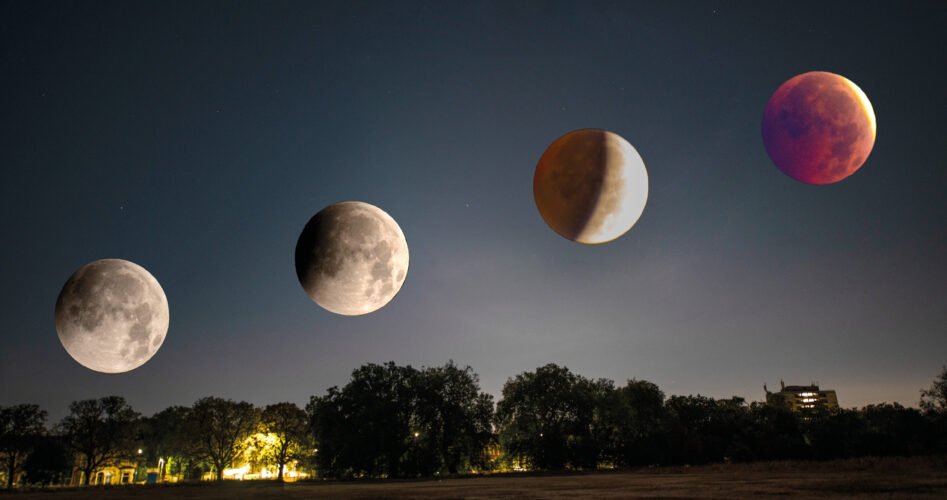
Many of us witnessed the solar eclipse in early August, but fewer will have experienced the lunar eclipse a few weeks later. Deepak Dembla was awake in the early hours to take this photo montage on Wanstead Flats

My name is Deepak Dembla. I’m an IT professional with a passion for photography, stargazing, fitness and dancing. I love capturing beautiful moments and exploring the night sky.

This lunar eclipse began at 2.23am on Friday, 28 August 2026. I began by taking a long exposure of Wanstead Flats with a wide-angle lens, then used my zoom lens to photograph the eclipse and capture lunar details. I documented the eclipse phases by superimposing the eclipse photos on the wide-angle Wanstead Flats picture to get the final image shown here.

An eclipse is an astronomical event when a celestial object is temporarily hidden as another object passes in front of it. A lunar eclipse happens when the Earth moves between the Sun and the full Moon; this blocks the light from the Sun and casts a shadow on the Moon’s surface.

Lunar eclipses are of three types. A total lunar eclipse is when the Moon moves completely into the Earth’s inner shadow (called umbra) and glows red in colour. The red colour is due to the fact the sunlight passing through the Earth’s atmosphere bends and scatters, allowing longer red wavelengths to reach the Moon. This is known as Rayleigh scattering. A partial eclipse happens when only a part of the Moon passes through the umbra. And a penumbral eclipse is when the Moon passes through the Earth’s lighter shadow (called penumbra) and dims slightly.

Lunar eclipses are rare astronomical events, happening once or a few times a year. Total lunar eclipses are even rarer, with the next one visible from Europe taking place on 31 December 2028. A total eclipse lasts around three hours in certain geographical regions. Unlike solar eclipses, lunar eclipses are completely safe to look at with the naked eye.


To view more of Deepak’s photos, visit wnstd.com/deepak. To order prints, email deepakdembla@yahoo.com

Features

Photo and story

WVD-OCT-2026-p

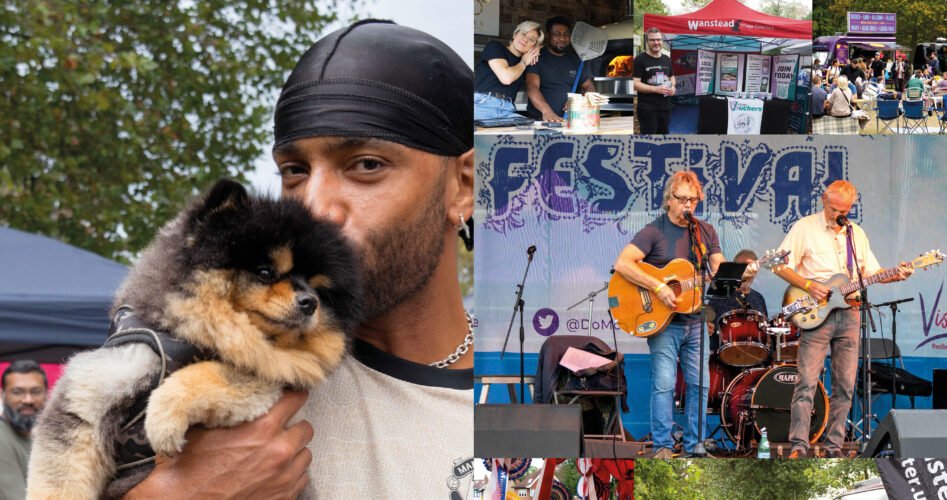
In the 11th of a series of articles featuring images by the Woodford and Wanstead Photographic Society, Anuraj Theivendram reflects on the Wanstead Festival, a celebration of community, colour and creativity

Wanstead came alive once again on 13 September as the annual Wanstead Festival filled Christ Church Green with colour, music and an unmistakable sense of community spirit. From the moment the first visitors arrived, the atmosphere was vibrant, welcoming and full of energy! A true reflection of what makes our village special!

A huge thank you goes to Vision Redbridge Culture and Leisure, whose organisation, professionalism and support throughout the day were outstanding. Their team worked tirelessly behind the scenes to create a festival that was safe, inclusive and enjoyable for everyone. It was a pleasure for our photographers to be part of an event run with such care and attention.

This year offered a fantastic range of photographic opportunities. The classic cars drew crowds all afternoon, gleaming whenever the sun broke through the clouds and providing a nostalgic nod to motoring heritage. On the main stage, a mix of choir singers, local youth performers and several bands brought music to the heart of Wanstead, giving us vibrant moments full of character and expression. Across the green, stalls, makers, families and local groups added layers of texture and storytelling. These are the kind of scenes that make community photography so rewarding.

As always, we remain mindful of consent requirements, particularly around images of children, so our coverage focused on the festival atmosphere, the activities and the spirit of the day, ensuring we captured the essence of the event while respecting safeguarding guidelines.

Wanstead Festival continues to be a highlight of the local calendar, and this year’s celebration was no exception. We’re excited to share a selection of photographs from this year’s festival, each one reflecting the spirit of the day, and we look forward to returning next year to capture even more of what makes our community shine!


For more information on the Woodford and Wanstead Photographic Society, visit wnstd.com/wwps

Features

Listen and learn

WVD-OCT-2026-rms

In the 55th of a series of articles, David Bird discusses the work of Redbridge Music Society and introduces pianist John Paul Ekins who will perform at Wanstead Library this month

One of the main aims of Redbridge Music Society’s new season is to demonstrate how powerful the medium of music is in improving our state of personal wellbeing. Also, this season, we will commemorate the bicentenary of the death of one of the world’s greatest composers, Ludwig van Beethoven, and this month, award-winning pianist John Paul Ekins makes a welcome return to Wanstead, honouring Beethoven’s legacy by playing his Pastoral and Tempest piano sonatas; the evening’s programme will also include well-known music by Chopin and Schumann.

John Paul is in great demand as a piano recitalist, concerto soloist and chamber musician. After graduating from the Royal College of Music, he went on to obtain a Master’s of Performance degree from the Guildhall School of Music and Drama. He has performed at many prestigious venues in the UK and abroad, including London’s Wigmore Hall, Queen Elizabeth Hall and Royal Albert Hall and the Zurich Tonhalle. He is also a headline pianist with a number of cruise lines.

He has won 19 prizes at international competitions, and a highlight of his career was being presented to Her late Majesty Queen Elizabeth II at a reception at Buckingham Palace.

Besides teaching piano, John Paul is a chamber music coach and accompanist, specialising in working with string players at London’s top conservatoires such as RCM, RAM and the Guildhall School of Music & Drama.

John Paul is also a qualified integrative therapist and counsellor, and along with his experience as a performer, listener and teacher, he has become increasingly fascinated by the depth and variety of the human condition, allying this fascination to his pianism to establish a highly personalised approach to communicating the power of music to audiences. His approach focuses on the possible stories suggested by each piece of music he plays, thereby allowing both performer and listener to explore the deeper psychological and symbolic threads that are woven into the fabric of the great musical compositions. By sharing these stories with his audiences, John Paul brings classical music to life in new ways and provides audiences with the opportunity to deepen their musical experience by imagining and feeling in ways that include both the uniquely individual and the universal.

This recital is the opening event of Redbridge Music Society’s 2026–2027 season and promises to be an interesting and educative musical evening.


The recital will take place at Wanstead Library on 13 October from 8pm (tickets on the door: £12; members: £9). Call 07380 606 767. Redbridge Music Society is affiliated to Making Music.

Features

Big Rail Story

WVD-OCT-2026-rail© Carole Edrich

One writer, one Interrail pass and a wildly over-ambitious, 37-stop journey to test railway accessibility in Europe. Wanstead-based travel writer Carole Edrich presents the eighth instalment of her Big Rail Story

Built for the 1913 World Fair, Ghent Station’s entrance hall features ceiling paintings, intricate sgraffito (scratched) panels and murals of 13 Belgian cities, including Brussels, Antwerp, Ypres and Bruges. The idea was that visitors could tour Belgium without leaving the station. These days, it’s one of the country’s largest bicycle hubs, with around 17,000 parked in the nearby facilities. I had a good look on the way to Ypres. This time, I head straight for the loo.

Back on the train and on the way to Lokeren, through the canal-side industrial zone. Ghent’s own tourism blurb praises the graffiti artworks along the way. I don’t.

As the day brightens, the golds give way to soft greens and blues of scattered farms, endless fields and never-ending drainage ditches. As we approach Lokeren, the grassland sparkles in the sun. There are herons here (unsurprising, considering it’s water-laced marshland), the occasional flash of what I hope is a kingfisher, and a century’s supply of ducks for a huge Chinese restaurant.

Dappled light, reflecting off nearby water surfaces and diffused from the roof, contrasts with long, sharp shadows cast across the paved platform approach. It’s spellbindingly beautiful, so I don’t think to look around at Lokeren station until we start to move. Once a hub for fur and flax processing, local inhabitants are nicknamed Rapenfretters (turnip eaters); a nod to the region’s agricultural roots. Apparently, not an insult, because it’s on the city’s coat of arms.

A man passing down the aisle brings the slight scent of green herbs and musky, healthy dog. The steward sits across from me. I’m enveloped by the strong scents of Nivea and soap. You know those people who smell offensively loud? The teenager who hides his days-old sock-smell with excessive deodorant, or the young adults who need to advertise their presence by smell before you can see their faces? It’s here. In my head, I blame the steward. As the profusion of graffiti announces the imminence of Antwerp Station, I realise that some of that horrid loud smell is coming from me.

We arrive on time in Antwerp, and the cheerful steward announces to anyone who’ll listen: “We can have coffee now,” (only in Dutch, obvs). Don’t think he knows he is on the tannoy, but it’s a great idea, so I’m off.

It suddenly strikes me that I’ve spent so long looking for a place that serves my favourite type of coffee that I wouldn’t have time to drink it and give up. The station’s confusing, with platforms on different levels and signs that I can read (I speak Dutch, after all), but they don’t help. The train pulls in just as I get myself to where the platform’s digital train diagram says my carriage is. It is not.


For links to the places and to listen to Carole’s podcast, visit wnstd.com/rail

Features

Stitches in time

_DSC1354

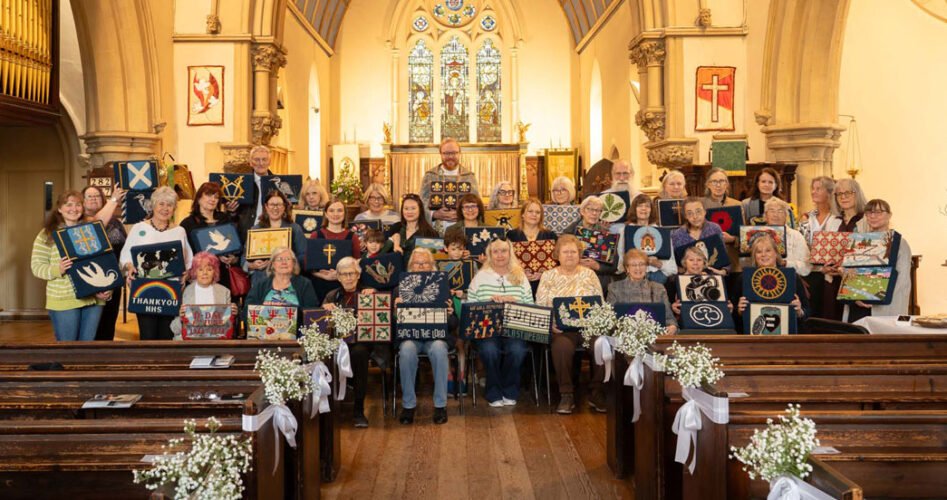
In the seventh of a series of articles, Susan Allison reports on the culmination of a community project which created nearly 50 kneelers for Christ Church, each recording a snapshot of present-day Wanstead

While the September 2024 Wanstead Festival saw the first stitches made in the Community Kneeler as part of the Kneelers for Christ Church project, the September 2026 Wanstead Festival saw the official finale of the project taking place in Christ Church.

Visitors saw displays telling the backstories to several of the kneeler images and a short display telling how the project was conceived.

A cake-decorating competition and silent auction, donations and sales of guidebooks and friendship bracelet kits using leftover yarns from the project raised just over £100 for the Inspire Wanstead fund. The day was brought to a wonderful uplifting close when Tina Lloyd-Morris led an ad hoc assembled group of stitchers, funders, visitors and friends and family in Kneelers, her song inspired by and written for the project.

So, what next? Friendship bracelet kits (priced 25p) with instructions and yarn will remain on sale, as will the few remaining guide booklets (£5). A digital guide is also being developed. Plus, a complete multi-media archive is being compiled for future researchers to learn more about this snapshot of Wanstead life, and the whole project and archive will be encapsulated in a limited edition publication (watch this space). Finally, a very big thank you to everyone who made this wonderful project possible.


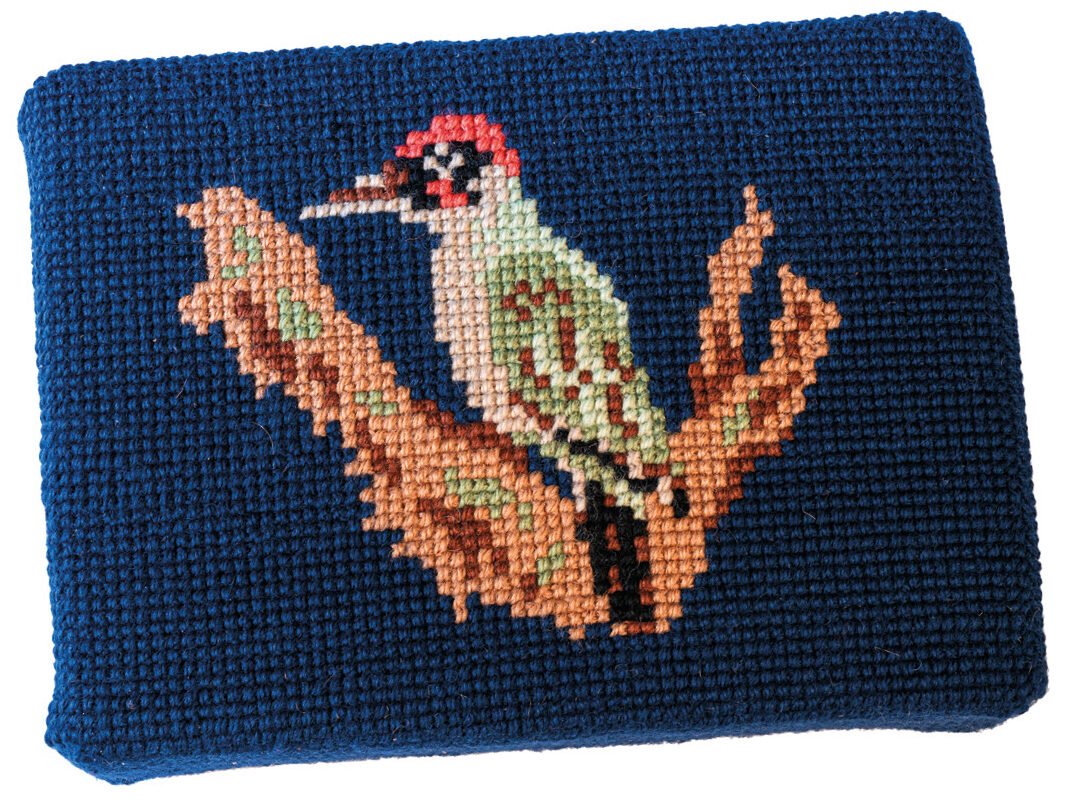
Green Woodpecker
Dedicated to: The Ayto & Bloomfield Families
Sewn by: Elizabeth Ayto

I have lived in Wanstead my entire life, worshipping at St Mary’s with my family and grandparents (the Bloomfields) when I was young. I am married to Josh and have two amazing boys, Rupert and Albert. All three have made contributions to the sewing of the kneeler. I decided to get involved in the kneeler project when I first heard about it. I’ve always loved crafting, but often start lots of projects and never end up finishing them. I offered to help set up a spreadsheet and found myself as part of the kneeler project management group! It has been fun getting to know other members of the community. I chose the Woodpecker kneeler as there are some lovely large trees in my garden, a few branches of which have started to die, but they make a great habitat for the bugs and woodpeckers. In nice weather, I’ll be working away in my office with the window open and I can hear the ratatatat of the woodpecker, trying to get to all the bugs. This has been one of the highlights of working from home.


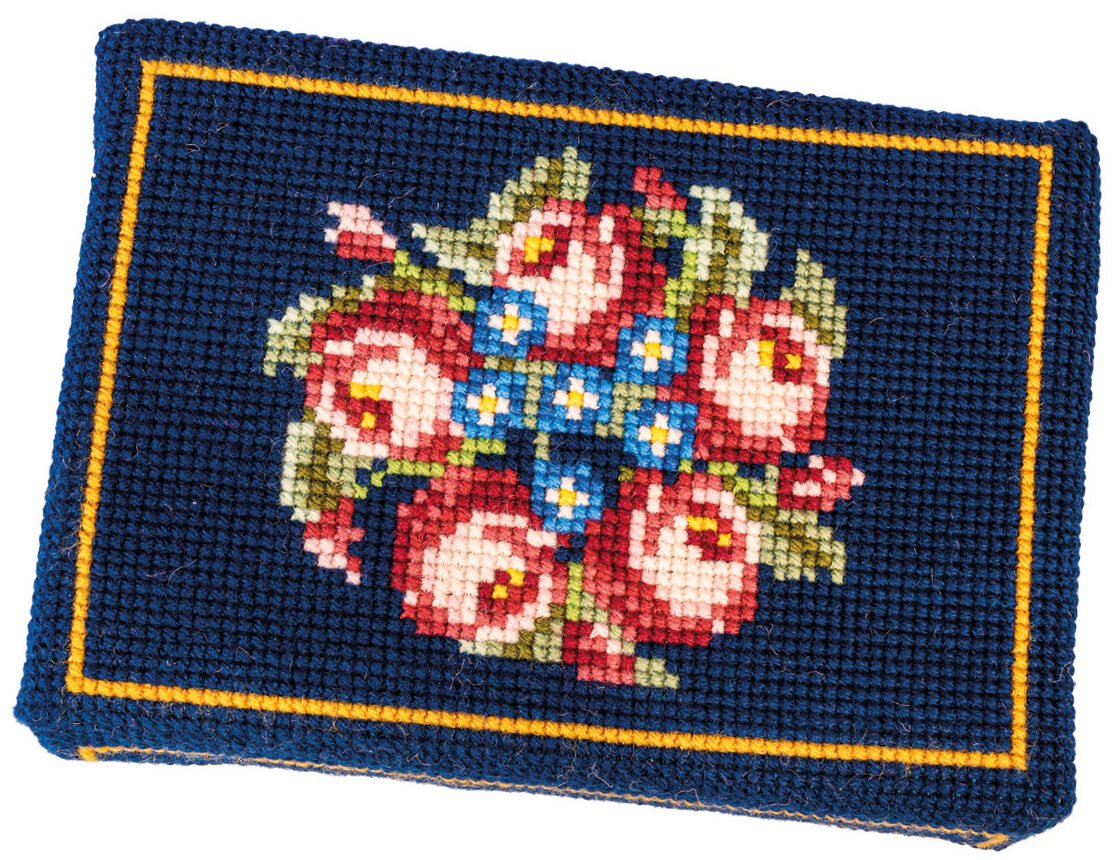
Camborne: Floral Bouquet
Dedicated to: Penelope (Pen) Garlick
Sewn by: Carol Pummell & Jan Andrews

This kneeler is based on a floral design called Camborne. It was chosen to celebrate and give thanks for the life of Penelope Garlick and her contribution to the Parish of Wanstead, reflecting her great love of gardens. Penelope was a volunteer at the local Royal Horticultural Society gardens and an enthusiastic supporter of the parish Gardening Club. At some time or another, Pen held pretty much every voluntary office and role in the parish. Not only did her involvement guarantee the task would be completed well, to a high standard and in a timely fashion, but that it would be done with cheerfulness and an open heart. On top of this she was also a governor at Wanstead Church School! Pen – a wife, mother, grandmother and loyal friend – sadly died in February 2023. Thank you for everything, Pen.


For more information on the project, email kneelers4cc@gmail.com

News

Yellow box proposals in Wanstead following traffic surveys

yellow-box

Redbridge Council is considering introducing two new yellow box junctions in the local area following a series of traffic surveys across the borough.

The surveys identified 14 junctions that are regularly obstructed, including Blake Hall Road at Tennyson Avenue and New Wanstead at Homesdale Close. “Yellow box markings are designed to keep junctions clear, prevent congestion and keep traffic moving,” said a council spokesperson. A public consultation on the proposals took place last month.

Visit wnstd.com/ybox