September 2026

Uncategorized

Fabled Forest

WVD-SEP-2026-f3

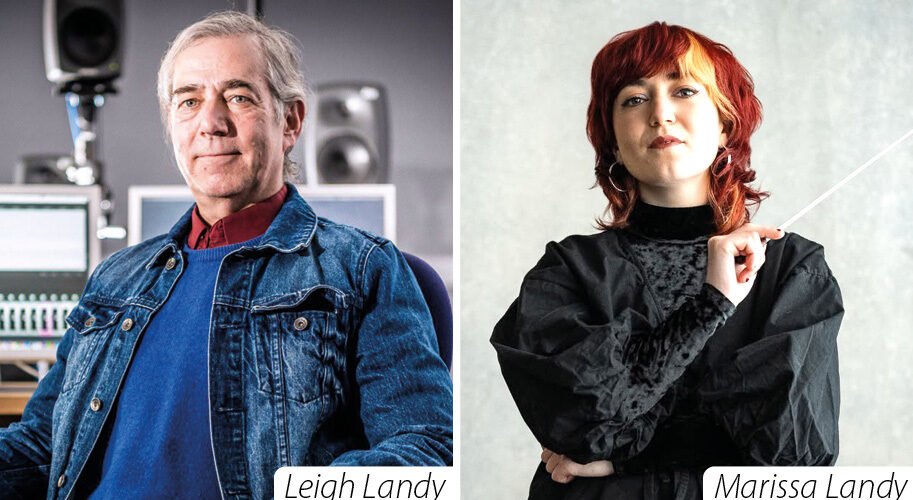
A Wanstead Fringe concert brings daughter and father composers together on a work inspired by Epping Forest, to be experienced by the audience walking through Wanstead Park. Marissa Landy explains

Fabled Forest is a unique opportunity to step right into your local forest and hear a brand-new album inspired by, and dedicated to, that very place. Written for marimba, vibraphone, harp and piano, the pieces are performed by a wonderful group of professional musicians.

Fabled Forest is also the first musical collaboration between me and my father, electroacoustic composer Leigh Landy. I’ve lived in Wanstead for more than five years and was previously the theatre programmer for the Wanstead Fringe. I love the festival and am incredibly proud of how much it has grown, so this project feels particularly special. The concert brings together two very different musical styles. My own compositions are interwoven with transition pieces created by Leigh from sounds recorded in the forest, alongside original words I have written to guide the audience through the landscape. The result is curious, slightly mystical and raw.

I’ve been composing for theatre for around five years, as well as writing music for audiobooks and arranging works for choirs and ensembles. Fabled Forest has given me the chance to do something different: to compose an album without the usual restrictions of a commission or production. It brings together a range of my musical influences and styles in one contemporary classical work.

Leigh has been an internationally recognised electroacoustic composer for decades, with works commissioned and performed around the world, alongside an academic career teaching and researching in the field. He was delighted when I began composing in 2018, but until now we had never actually worked together. Our approaches are very different. I work predominantly with acoustic instruments, while Leigh creates music through recorded and electronic sound, which made it all the more interesting to see what would happen when we combined the two.

I decided to create Fabled Forest for Epping Forest because of the deep connection I’ve developed with it since moving here. It was this forest that really made me fall in love with nature, and I’m adamant that for as long as I live in London, I want to live close to it. The music follows a journey into the forest: approaching it, passing beneath the canopy and discovering the different paths within. Some are joyful; others are stranger and a little more eerie. Writing for this combination of instruments has been a dream. Marimba, vibraphone, harp and piano create an extraordinary sound together, sometimes delicate, sometimes percussive and unlike any ensemble I’ve worked with before.

Live musicians, immersive sound design, brand-new music and a journey through the landscape that inspired it: Fabled Forest is an invitation to experience Epping Forest in a completely new way.


For more information on Wanstead Fringe events, visit wansteadfringe.org

Features

Family Fringe

WVD-SEP-2026-f2

This year’s growth of the Wanstead Fringe to include a Family Fringe is a significant moment. Doing things in company rather than alone completely changes us, writes Camille Leadbeater

For many of us, our most cherished memories of childhood come from time spent in the company of those we love. And I don’t mean this in a ‘nuclear-family’ way; ‘family’ in 2026 means lots of different things to different people. When we watch a show, play games or do activities in the company of others – strangers or friends, relatives or chosen family – it becomes a wholly different experience. The things shared, done together as part of something bigger than ourselves, have the most staying power in our hearts and minds.

Sadly, these moments of genuine togetherness are increasingly rare, particularly for younger generations. Growing up in the era of AI, smartphones and social media brings constant pressure to be online, while moments of genuine presence can seem few and far between. So, how do we combat this? For starters, we must create opportunities for genuine connection, real-life engagement and being close to one’s community.

This is a huge part of the ethos behind the new Wanstead Family Fringe. While the Wanstead Fringe prides itself on the diversity of its programme, much of it has traditionally been geared towards adults. The Family Fringe will offer activities and events designed for younger audiences and grown-ups alike.

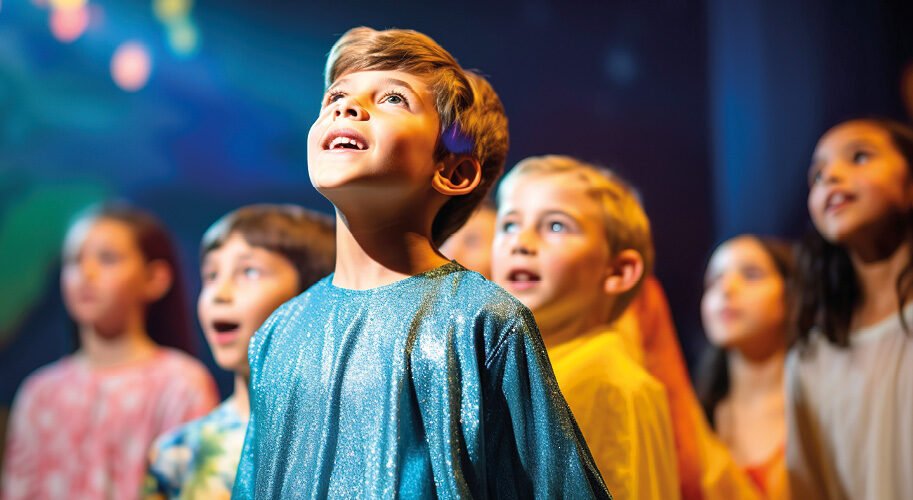
There is plenty to see and get involved with. The launch of Wanstead Youth Theatre gives young people the chance to take part in workshops before performing during the opening weekend of the Fringe – precisely the kind of experience that can spark confidence, friendships and an interest that lasts well beyond the festival itself.

A Matilda dance workshop offers younger participants the sheer joy of creating something together, while interactive shows – including Boh Boh Finds Home, Story Time with Mama G and Abodes – invite children and their grown-ups to sing, dance, explore and experience theatre together. There will also be Kinema events for young people and families, where the simple act of watching a film becomes a communal experience, and a Family Book Day celebrating stories, ideas and reading together.

The Family Fringe is ultimately about creating moments to be shared with others. In Wanstead, we have wonderful spaces for gathering, a wealth of local talent and countless opportunities to get involved. By working with what we have, we can resist isolation and foster a healthy community spirit – inspiring the next generation to engage with culture and the arts, find their voice, meet people and enjoy what Wanstead has to offer.

The hope is simple: that moments from this year’s Fringe become cherished memories for our audiences, young and old.


For more information on Wanstead Fringe events, visit wansteadfringe.org

Features

We Are Here

WVD-SEP-2026-f

The theme of this year’s Wanstead Fringe is ‘We Are Here’. At one level, it’s merely a statement of fact, but it’s also about taking inclusion seriously, writes festival director Giles Wilson

The cover of this year’s Fringe programme features, in vivid neon green, one of the familiar sights and sounds to people living here: a parakeet. Inside the brochure there are stag beetles, hedgehogs, foxes, squirrels and pigeons, living alongside each other, whatever their plumage, with 100 other species beside. Only one of these species has their eyes glued to their phones. 

But if we put our urban wildlife to one side and think just about the people who live here, our make-up echoes that of the animals. There are all kinds of us, and the gift we have received is the chance to live in a community together. Sadly, there are those now who are prepared openly to argue in favour of less cohesive communities.

As Camille Leadbeater writes on page 26, those of us who put the Fringe together each year believe that experiencing things together changes the experience and indeed ourselves. It’s not just about the Family Fringe; this goes for listening to music together, watching a play or a film, going to the comedy – even going on a guided walk together. The arts and culture are good for the community, and good for the person too.

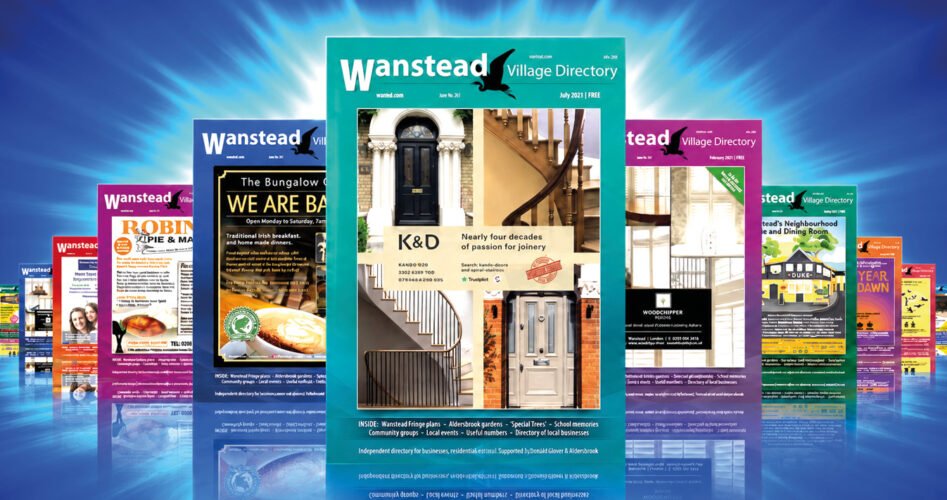
This is the 16th Fringe. One thing has dramatically changed since we started – Wanstead doesn’t really have a newspaper any more. For one glorious moment not so long ago we had two. How can a community be truly coherent if important things happen without anyone knowing about them? Where are the shared values found? There are honourable exceptions (the Wanstead Village Directory, of course, and my own website, Wansteadium), and social media such as Wanstead Community Hub have great reach. But none can be a real substitute for having dedicated reporters whose job is to investigate, report and keep tabs on what’s going on.

This is going to be the topic of one Fringe event – The News From Wanstead – where local historian Greg Roberts will give us a taste of what we know about Wanstead’s past thanks to the newspapers, and media guru Nic Newman, who will guide us through the changes which have hit local media so badly. Can anything be done? Can we as a community find a solution as some other places have done?

Be in no doubt that we are a community here. From the local businesses who are again sponsoring the Fringe, the venues which are hosting events, the organisers who are coming up with ideas for events, the volunteers who act as stewards or check tickets, the committee which brings things together, and the legion of people who buy tickets, we’re all here.


For more information on Wanstead Fringe events, visit wansteadfringe.org

Features

Art on site

WVD-SEP-2026-art©Geoff Wilkinson

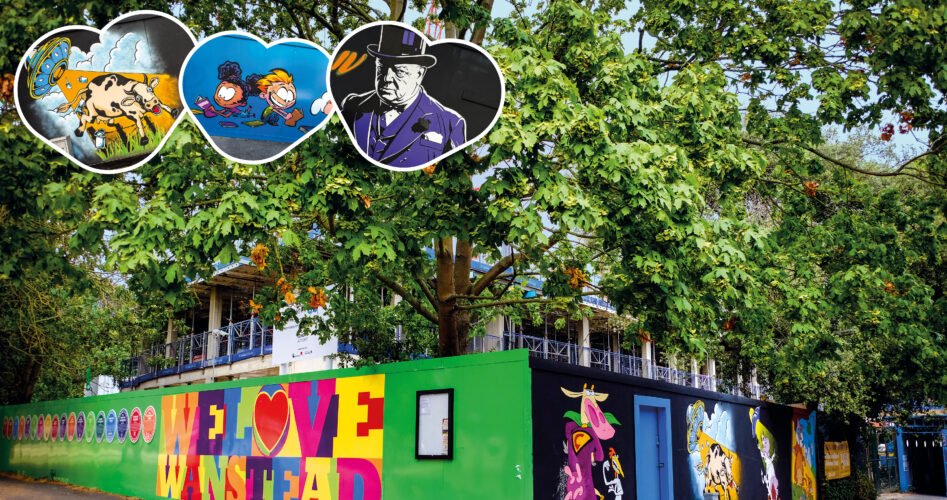
Local resident Bronagh Byrne explains how the Evergreen Field building site became a canvas for creativity, celebrating Wanstead’s history, people and community spirit through a colourful public art project. Photos by Geoff Wilkinson

Back in the cold months of winter, I looked at the hoardings surrounding the High Street building site and saw an opportunity to transform these ready-made canvases into a community project.

Wanstead is a really special neighbourhood. We need to protect and enhance the wonderful amenity we have. Using the hoardings to improve rather than detract from our local area was what I set out to do, and with the help of local creatives, I think we’ve achieved something really special.

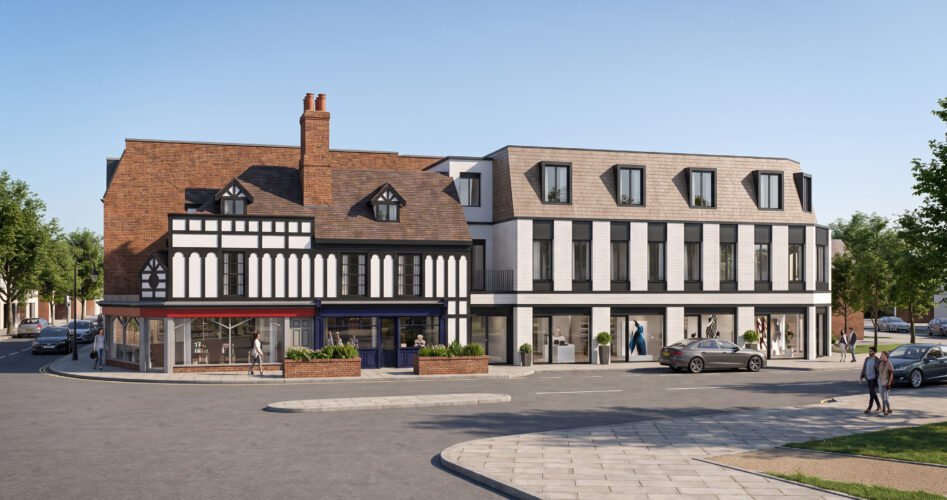
After reaching out to a number of local groups, the concept began to take shape. With the support of the development’s manager Shona McKinnon (from housing trust MTVH) and the creative talents of graphic designer Steve Duwensee, graffiti artist Two Cane and Art Group Wanstead members, the project was developed. It can now be seen from the High Street and Christ Church Green.

The project aims to inspire residents, celebrate local creativity and demonstrate the positive impact that community-led initiatives can have on the places we share. It celebrates past and present local icons and produces an interplay of themes connected with the area while the construction work continues. The cow art recalls when cattle casually walked through Wanstead, which ceased only a few decades ago. Space-themed visuals link with this area’s contributions to astronomy (view the plaques to know more and perhaps read local author Dr John Fisher’s book The Life and Work of James Bradley, former Wanstead resident and Astronomer Royal). And illustrations of children reading and day-dreaming show the importance of play and downtime.

The plaques in the park include a selection of well-known people from Wanstead and the wider area, reminding all who visit our lovely High Street of what can be achieved.


For more information on the progress of the Evergreen Field construction project, visit wnstd.com/efnews

Features

Monumental task

WVD-SEP-2026-m

Having raised more than £10,000 to restore the Wanstead War Memorial, the community-backed project is ready to begin, but council delays are holding up the work, says Revd James Gilder

They always say “never volunteer for something you don’t know you can finish.” Perhaps I ought to have taken that advice before trying to get our war memorial restored! Mind you, if everyone followed such advice, I doubt much would ever be accomplished.

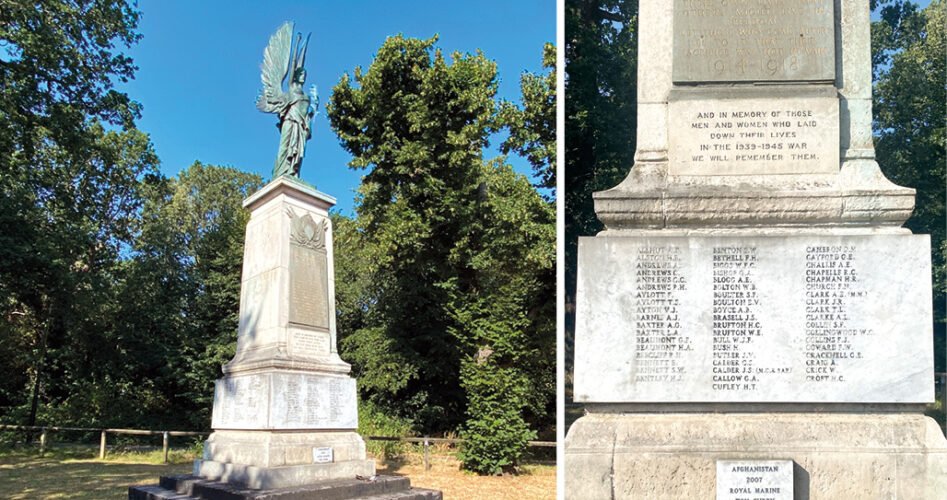
You will recall that, starting from the VE Day 80th anniversary celebrations, we have been raising money to restore the Wanstead War Memorial, which stands proudly on the small green next to Tarzy Wood. Originally erected in 1922, the memorial has weathered all kinds of storms (and a further world war), and for some time now has looked rather worse for wear. By the late 1980s, the names on the memorial had been so damaged the tablets bearing them had to be replaced, but bizarrely, no record had been kept of the original names; close observers will note there are many spaces with names missing. These facts were not known to me when I started this project! Yet, I am hugely grateful to an anonymous historical researcher for doing a great deal of the work to discern the missing names, and we now have them all.

You have been hugely generous, and the kitty stands at over £10,000. This will allow us to complete phase one of the project, restoring everything but the names. Then we can move on to phase two, replacing the stone tablets with ones more suited to the original Portland stone, and crucially with the name of every Wanstead person who fell in the Great War, as well as the name of the much-loved Tom Curry, who gave his life serving in Afghanistan in 2007. Apparently, there was a discussion after World War Two as to whether further names should be included; it was decided that, given the Blitz caused so many civilian casualties, there would be insufficient space.

It has now been 15 months since we started this campaign, and those who have donated may be inclined to wonder what the Rector has done with their money! Rest assured, it is very much waiting to be spent, and we have a reputable contractor in place waiting to do the work. There is one snag, however. I am not one to routinely knock the council, and I am grateful to Councillor Jo Blackman and former councillor Paul Canal, both of whom have been tremendously helpful. But I have to say, dealing with council officers to give us permission to do this work has been a task. You would have thought, given that we are saving them money by raising these funds from the community, they would be falling over themselves to say: “Yes, please get on with it!” But there has been delay after delay. I have now received an apology for this, with an assurance they are ‘on it’. But frustratingly, I doubt we will now be able to complete the works before Remembrance Day, which was my aim. I will keep pursuing them until I get permission, and then will waste no time in getting the work booked in. Thank you for all your support with this important project and I will continue to keep you posted!


For more information on the restoration fund, visit wnstd.com/wwm

Features

Track record

WVD-SEP-2026-u

After months of delays, cancellations and a broken escalator at Wanstead Station, local resident Tom Knock decided to dig into TfL’s own data, and found the Central Line is probably worse than you think

Last October, worn down by another week of delays, I asked TfL for the numbers. Was the Central Line genuinely getting worse or was I just being impatient? My Freedom of Information request covered 12 months: wait times, how often the line was marked as delayed and why and whether the decline was a deliberate timetabling choice.

What came back was a mess of spreadsheets. Thousands of rows of raw departure times across two branches, no analysis, no summary, nothing that answered the question in the form I’d asked it. So, I did what most people would do with a spreadsheet like that and a full-time job would do: I closed the file and promised myself I’d do something with it eventually.

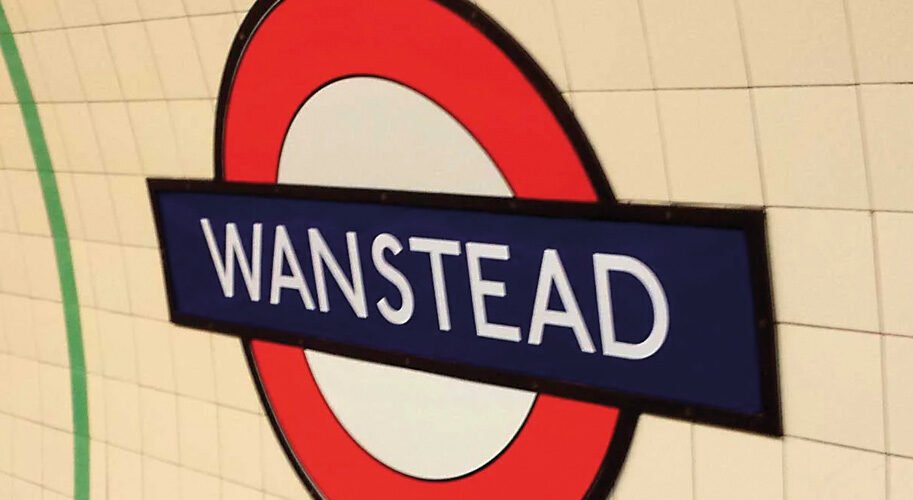
Then in June this year, the escalator at Wanstead broke. Again. Only this time, it stayed broken, and it took the best part of a month to be told it “might” be fixed by late September. For me, that’s annoying. For my less-mobile neighbours and parents, 100 steep steps aren’t an inconvenience; they’re a barrier. So, I went back to the spreadsheets.

It turns out I wasn’t imagining how bad things are. On the Hainault branch, trains ran below TfL’s own published worst-case timetable on 98% of weekdays between February and October 2025. That is nearly every working day for nine months. This was not a steady decline. Compare the four months before February 2025 with the nine after, and gaps of more than 10 minutes between trains roughly doubled. Around one train in six stopped running.

The documents also show 60 trains running against the 77 a full-peak service needs. So, if you’ve stood on the platform wondering whether your wait was unusual, it wasn’t. And now you know why the carriage was so full when it finally turned up.

I couldn’t get a straight answer on how often the line has been marked as suffering “minor delays” either, because so much of it disappears into that vague “train cancellations” message we all know too well.

None of this has an easy fix. The Underground is the oldest metro system in the world and travel patterns have genuinely changed since the pandemic. The staff at our station are as fed up as we are and have been nothing but apologetic and helpful. This isn’t a go at them. My problem is the silence. TfL Access exists to keep disabled and less mobile passengers informed about exactly this sort of disruption, and its official X feed still hasn’t mentioned our broken escalator. I raised it. They replied saying they had posted about it. I showed them they hadn’t. Nothing since.

Fixing a Victorian railway is hard. Admitting it’s broken isn’t.


To read the full version of Tom’s article, visit thenlikemydreams.uk

Features

House Proud

wh-1

As Wanstead House Community Association celebrates its 80th anniversary, local historian Lynn Haseldine Jones talks about the building of the house and its first occupants

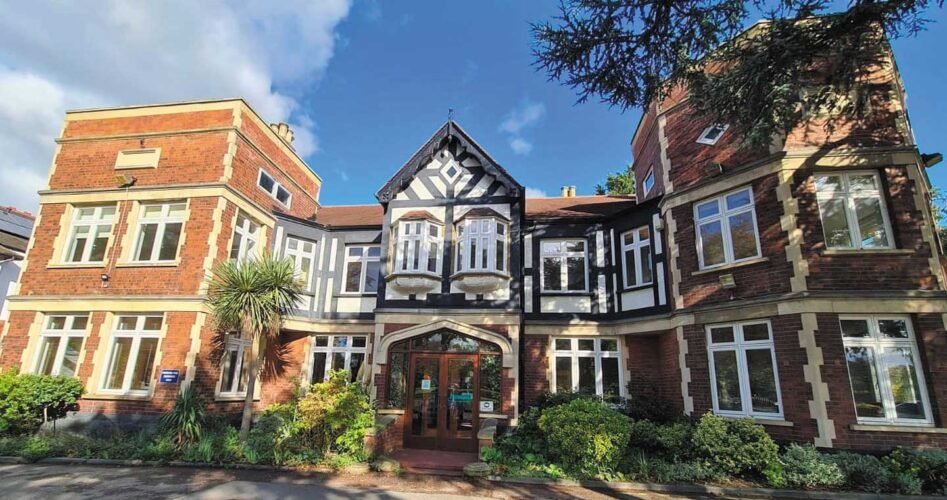
Wanstead House Community Association celebrates 80 years this month. It has for all that time been based in the building at the top end of The Green, now known as Wanstead House. However, the building was previously known as West Ham Hall, and before that, Ronceval!

The house was designed in 1911 by well-known theatre architect and local resident William Edward Trent (1874–1948). The work was later taken over by Stratford-based architect Charles Living (1877–1970), but most of the design is Trent’s. The house was finished in late 1914 or early 1915.

The man who had the house built was Thomas Kingham Catchpool (1850–1915), who bought the land on 22 March 1911. He had trained as a solicitor, but later became a hosiery and woollen goods merchant. For a while, he lived in Guernsey, in a house called Ronceval, and he brought that name with him for his home in Wanstead. Thomas and his wife, Florence Emma, had several children but lost two of their sons in a boating accident in Northern Ireland in 1904. The family were Quakers and their sons, Thomas Corder Catchpool (1883–1952), Egerton (1890–1971) and Henry Guy (1893–1987), were involved in peace work and Quaker activism throughout their lives.

Thomas, the father, died in 1915, so he had very little time to enjoy the house he had so carefully built. His widow and sons continued to use the house for a few years around the time of the Great War, but the time had come to sell in 1919. The house was up for auction on 17 September 1919 but failed to sell. Another sale was set for 7 May 1920. It was at this sale that the house was bought by Margaret Meekings Johnson OBE (1875–1940). I wrote about her as a woman of note in the April 2026 edition of the Wanstead Village Directory. It was Margaret who renamed the building West Ham Hall, after a house her family had previously occupied.

When Margaret died in 1940, it is believed the house was taken over for some sort of military use. Then, in February 1945, thanks to prompt action by local councillor and photographer Henry Cormacey (1891–1968), the house was acquired as a community centre and in just over a year, the Association was able to take possession. Meantime, a number of social activities were organised in the Borough of Wanstead and Woodford. On 21 September 1946, the house was officially opened by the Lord Lieutenant of Essex, Col Sir Francis Whitmore (1872–1962) of Orsett Hall. The attached hall was opened later and named after a long-serving warden, William Hendy Boaden (1906–1978).

After 80 years, the house is still providing a home for many clubs and societies, and the much-loved Wanstead House Community Association continues to thrive.


For more information on Wanstead House, visit wnstd.com/house

Features

Photo and story

pWVD-SEP-2026

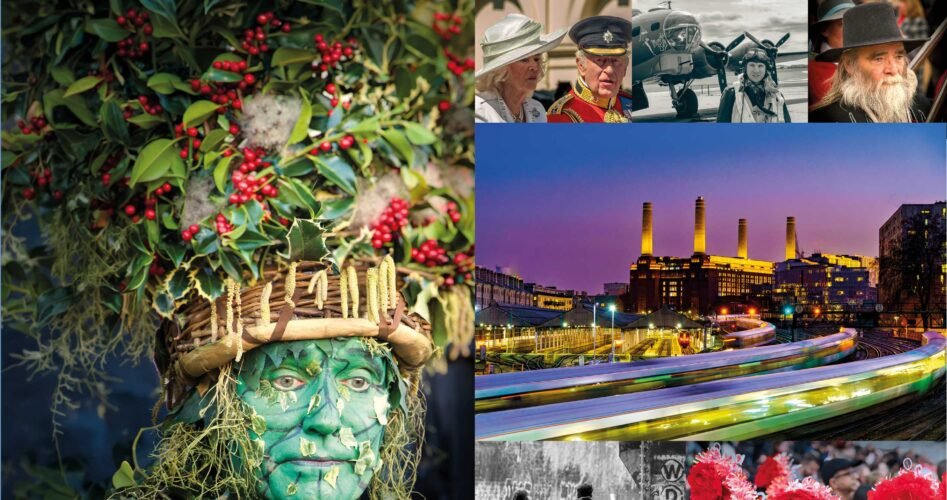
In the 10th of a series of articles featuring images by the Woodford and Wanstead Photographic Society, Anuraj Theivendram explains the popularity of group outings

For many members of the Woodford and Wanstead Photographic Society, our group outings have quietly become one of the most cherished parts of the annual calendar. While competitions and workshops showcase technical skill, the outings offer something different: a blend of companionship, shared learning and the simple joy of photographing London’s vibrant life together.

Photography can often feel like a solitary pursuit, and for some, attending large public events alone can be daunting. Our outings change that. They give members a chance to explore new environments with the reassurance of friendly faces around them, creating a supportive space where people feel confident to try new techniques and approach subjects they might otherwise avoid. It’s this mix of encouragement and collective curiosity that makes the outings so popular.

Last year’s programme offered members a wonderfully varied set of experiences. The colour and spectacle of Chinese New Year, the pageantry of Trooping the Colour and the historic English Civil War Society Parade each provided rich opportunities for storytelling and capturing movement, costume and atmosphere. Our visit to St Peter’s Church offered an opportunity to explore architectural detail, light and mood. Members also enjoyed a relaxed walk from Regent’s Park to Little Venice, capturing nature, reflections and the gentle rhythm of the canal. The year rounded out with the lively 12th Night Celebration, full of character and theatrical flair. Across all these outings, one theme has remained constant: the sense of community. Members share tips, compare approaches and often discover new photographic interests simply by being out together. For newer members, outings are an easy way to feel part of the Society; for long‑standing members, they’re a reminder of why photography is such a rewarding hobby.

As we look ahead, the outings continue to strengthen the Society’s spirit, encouraging creativity, building confidence and celebrating the joy of photographing London as a community.


For more information on the Woodford and Wanstead Photographic Society, visit wnstd.com/wwps

News

Three local causes to benefit from this October’s Wanstead Beer Festival

W-beer

Organisers of the fourth annual Wanstead Beer Festival have announced the three local causes that will benefit from this year’s event.

“This year, we’re proud to support Growing Hope Redbridge, which provides free therapy for children and young people with additional needs; the Wanstead War Memorial restoration fund; and the River Roding Trust,” said a spokesperson. The festival will take place in the halls of Christ Church on 10 October, offering a wide selection of beers, ciders, gin and wine (tickets: £10).

Visit wnstd.com/beer

News

Ride Redbridge brings cyclists together for borough-wide event

W-cycle©Geoff Wilkinson

Wanstead Park will be one of nine starting points for Ride Redbridge on 20 September, a borough-wide event forming part of the London Cycling Festival.

“Join a fully marshalled, gently paced ride to Valentines Park, where riders from all over Redbridge will come together for a picnic,” said a spokesperson for the Redbridge Cycling Campaign. Cyclists will meet at the park’s tea hut ready to depart at 11.30am. The rides are suitable for all abilities, including accompanied children.

Visit wnstd.com/rcc

News

Wanstead community survey to help reimagine Christ Church

W-church-survey©Geoff Wilkinson

The Parish of Wanstead is inviting residents to share their views on the current and future use of Christ Church as part of Inspire Wanstead, a project to restore the church and expand its role in the community.

“The project will repair and reimagine the building, celebrate its heritage and develop a new programme of activities for local people. We would love to hear your views. Everyone who takes part can also enter a prize draw to win a £50 voucher,” said a spokesperson.

The survey closes on 30 September.

Visit wnstd.com/wcs

News

Quiz night in aid of Marie Curie

news2

The Wanstead and Woodford Marie Curie fundraising group will host a quiz night at Wanstead House on 17 October.

“This is a great opportunity to get together with friends, test your knowledge and support a good cause. We’ll provide the tea, coffee and cake, or you can bring your own refreshments,” said a spokesperson. The quiz will start at 7.30pm (tickets: £12). Marie Curie is a charity providing end-of-life care.

Call 07957 760 071